Genetic Genealogy
When documents end, DNA begins to speak. A journey to our deep origins.
Traditional genealogy allows us to trace names and dates up to a certain point in time. Genetic Genealogy, through DNA analysis, allows us to go much further back, discovering the migratory routes of our ancestors from thousands of years ago to the present.
1. Global Ancestry (Autosomal DNA)
Ethnic and Geographic Composition
The analysis of the genetic composition reveals a predominantly European heritage, consistent with the family's documented history, but with an interesting trace of the Middle East.
📊 Analysis Results
📜 Report: The Yemenite Connection (History)
The genetic report highlights a fascinating historical context for understanding the Middle Eastern component: the history of the Yemenite Jews (Teimanim).
"What is known is that in the 2nd century BCE, parts of Yemen were already inhabited by Jewish communities. The Himyarite Kingdom dominated the region... until in the year 390, King Abu Karib converted to Judaism along with his entire army."
This genetic trace could be the echo of ancient Jewish migrations that, over the centuries, mixed in the Mediterranean basin until reaching Italy.
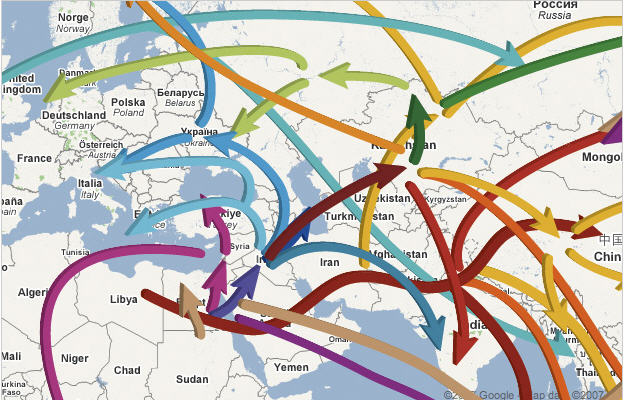
2. Paternal Lineage (Y Chromosome)
Haplogroup R1b
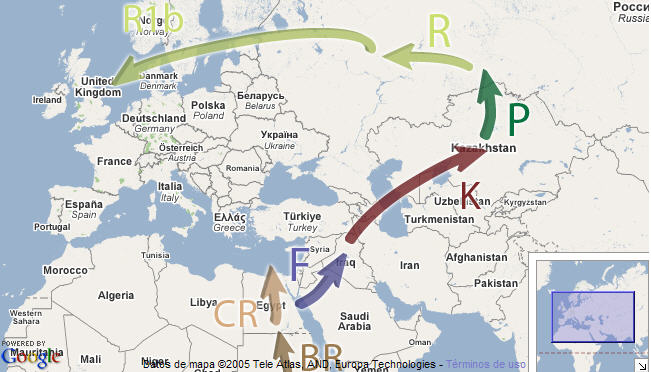
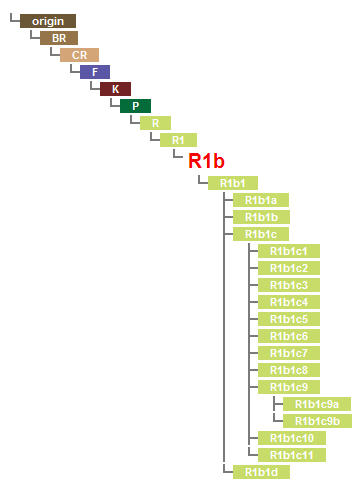

Y chromosome analysis (which is passed down only from father to son) has determined that the Pozzo Ardizzi paternal lineage belongs to Haplogroup R1b.
This is the most common lineage in Western Europe, but its origins are much older and more distant.
🧬 The Route of Lineage R1b
- Origin (R): Emerged approx. 32,000 - 28,000 years ago in Eastern Eurasia (mammoth hunters).
- Siberia (R1): 28,000 years ago, nomads of northern Eurasia.
- Pontic Steppe (R1b): 6,000 years ago. Indo-European tribes (Yamnaya) in present-day Ukraine/Russia.
- Europe: Massive migration westwards during the Bronze Age.
📜 Detailed Migration Report
"Haplogroup R1b emerged approximately 25,000 years ago among hunter-gatherers in Siberia... Until the beginning of the Neolithic, 12,000 years ago, these ancient men expanded slowly."
"Approximately 6,000 years ago, the tribal groups inhabiting the Pontic-Caspian steppe began to make great migratory movements towards Western Europe... R1b was the most common paternal haplogroup among members of the southern steppe tribes."