History and Cultural Heritage
Life chronicles, sacred architecture, and the enhancement of the family's material legacy in Italy and Argentina.
Ecclesiastical Patronage
The historiography of the city of Vigevano, a strategic enclave in the geopolitics of the Duchy of Milan, cannot be dissociated from the trajectories of its patrician families.
Among these, the Ardizzi, the Pozzo and their eventual confluence into the Pozzo Ardizzi branch, represent a paradigmatic case of how the local nobility instrumentalized the ius patronatus (right of patronage) to consolidate their social status, perpetuate their memory, and ensure spiritual salvation.
This section presents an exhaustive investigation into the churches and sacred spaces linked to these lineages: Santa Maria intus vineas (Madonna di Sotto), Santa Maria Maddalena, San Francesco, San Cristoforo, Sant'Ambrogio, San Giuliano, the Confraternity of San Girolamo, and their projection in the Roman basilica of Santa Maria Sopra Minerva.
The research focuses on the fundamental premise of genealogical unity, corroborated by primary sources, which identifies the Ardizzi and the Del Pozzo (or De Puteo) as a single corporate and biological entity, operating under different cognomens depending on the branch or geographical context, but unified under a common patrimonial strategy.
The objective of this research is to dissect the family's "devotional infrastructure." We will not limit ourselves to an inventory of buildings; rather, we will examine how each church, chapel, and altar functioned as a device for social legitimation, an archive of dynastic memory, and a vehicle for eternal salvation.
Through the critical transcription of various manuscripts, the analysis of relic inventories, and the archaeological reconstruction of disappeared spaces, a consistent family strategy will be revealed: the fusion of onomastic identity with sacred identity.
1. Ecclesia Sanctae Mariae Intus Víneas (Santa Maria Intus Víneas)
Identification and Location
Vigevano was not simply the place of the family's biological origin; it functioned as the political and social laboratory where legitimation strategies were tested that would later be exported to Rome and the Kingdom of Naples.1 The stratigraphic analysis of their religious foundations in this city reveals a conscious evolution from rural and monastic piety towards urban and courtly ostentation, parallel to Vigevano's own development as the favorite residence of the Sforza dukes.
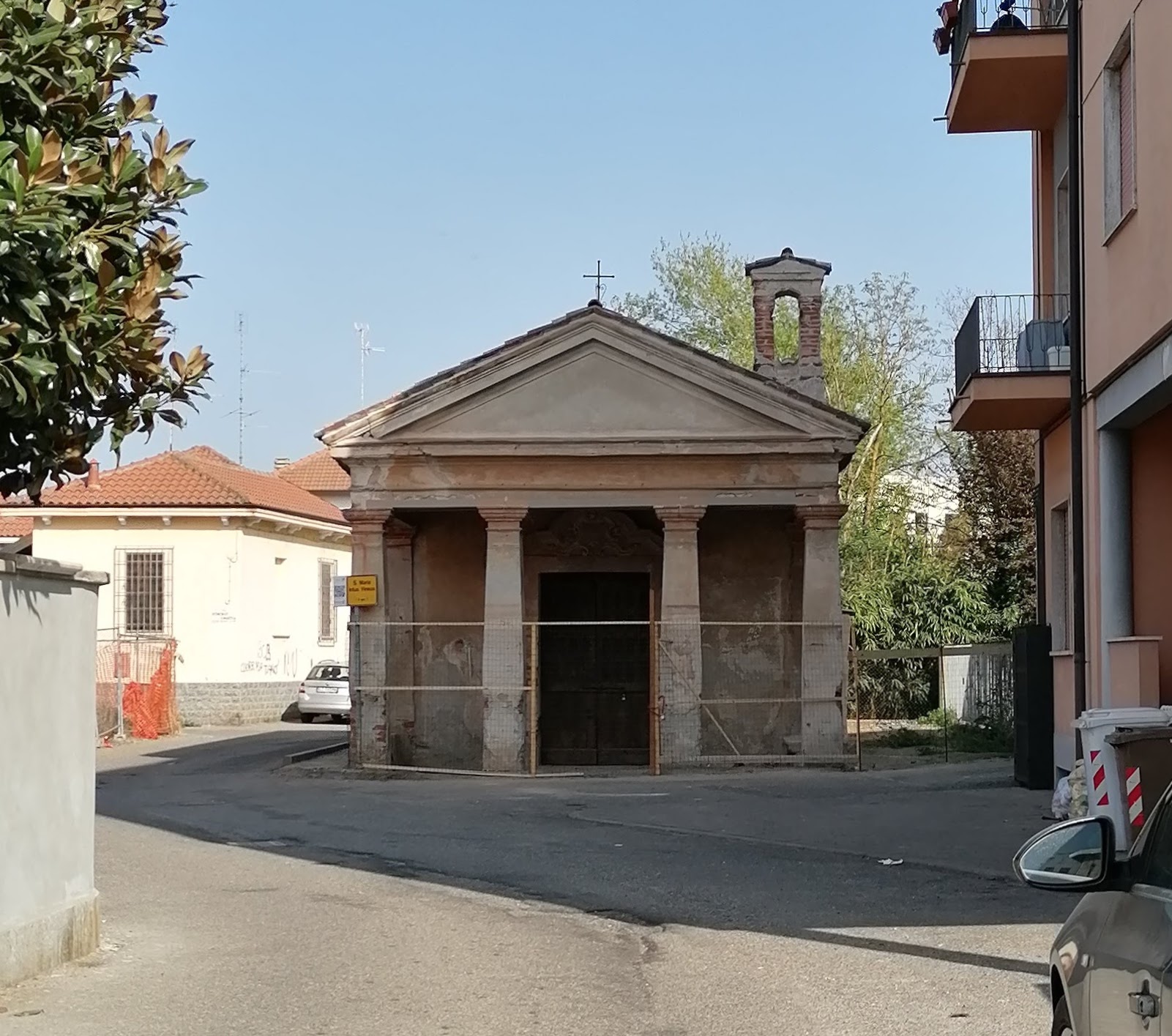
In the deepest stratum of family memory lies the church of Santa Maria Intus Víneas (Santa Maria within the vineyards), popularly known as Madonna di Sotto or Santa Maria di Sotto, which represents the family's foundational bond with the land and pre-communal antiquity.
This church is located, significantly, fuora della terra (outside the city walls). This location is not coincidental; it corresponds to a typology of rural and cemetery sanctuaries that served as reference points in the medieval agrarian landscape, prior to the urban expansion of the 14th century.2
.jpg)
← Drag the bar to see the deterioration →
Sources indicate its foundation predates the year 1000, already appearing in documents from 1202 as a dependency (cella) of the Cistercian monastery of San Maiolo di Pavia. This monastic bond grants it a legitimacy of antiquity that predates the Visconti secular power structures.3
1418: The Catalyzing Event
Pope Martin V, on his return from the Council of Constance (which ended the Western Schism), stops to pray in this humble rural church.4 This act transforms the site into a "geographic relic," turning it into a dynastic monument laden with the spiritual capital of the post-conciliar papacy.
The Ardizzi family, demonstrating acute political vision, assumed the giuspatronato (right of patronage) shortly after, in 1424. Simone del Pozzo, in his chronicle, emphasizes this bond, describing the church as belonging to the "Principi delli Nobili del Pozo et antichi". This text is crucial: by naming the patrons "Principals of the Nobles of Pozzo and the ancients" in reference to this church of the Ardizzi, the chronicler validates the shared identity of both branches, whose formal fusion of surnames into a new compound one must also have occurred at that time, during the first half of the 15th century.
1424: The Ardizzi Intervention, A Programmatic Restoration
Six years after the papal visit, the Ardizzi family formalized their ius patronatus and financed a total reconstruction of the building. This intervention was not a simple maintenance repair; it involved a stylistic reformulation that, according to architectural descriptions, gave the building an appearance evoking a "temple of antiquity."
"Hoc templum Beatae Mariae Virginis intus vineas, vetustate collapsum, Gens Ardizzia pietate mota restauravit anno MCCCCXXIV."
Translation:
"This temple of the Blessed Virgin Mary within the vineyards, collapsed by age, the Ardizzi family, moved by piety, restored in the year 1424."
Architectural and Semiotic Analysis
Anomalous Façade: It features a tetrastyle portico (four pilasters) supporting a triangular tympanum. This configuration is a direct and precocious quotation of classical temple architecture (templum), absolutely unusual in rural Lombard Gothic.6 The exterior structure evokes a classical Roman temple, a stylistic anomaly that radically distinguishes the chapel from contemporary rural constructions.
Architectural and Historical Interpretation: It is an act of "architectural humanism" that seeks to link the Ardizzi lineage not with the medieval feudal tradition, but with an imagined, older, and more prestigious Roman nobilitas. It is the fabrication of an autochthonous antiquity.7 For a family in the 15th century seeking to affirm its immemorial nobility, adopting an architectural language that quoted Rome —instead of the medieval vernacular— was a declaration of pre-feudal origins.
Interior: Floor plan oriented towards a semicircular apse, covered with a coffered ceiling (soffitto a cassettoni).8
Pictorial Program: Sources and remains mention a high-quality pictorial cycle, linked to masters of the Sforza court: Zanetto Bugatto (official portraitist), Bonifacio Bembo, Leonardo Ponzoni.9
Key Iconography (The Caparisoned Horse): Fragments of a fresco near the portal show a "cavallo bardato" (a horse with armor or war trappings).10 In Quattrocento iconography, the war horse is not a decorative element. It is the exclusive attribute of the equites or milites, the sword nobility.11 Its presence on the public "skin" of the church is a clear message: the Ardizzi are not enriched bourgeois, but nobles with a military tradition and function, the highest status in the feudal hierarchy under the Visconti and Sforza.
Endurance of Worship: A graffito with the date "1739" documented on the interior walls proves that the site continued to be a focus of local devotion and pilgrimage more than three centuries after the Ardizzi intervention, demonstrating the long-term success of their investment as a memory device.12
2. The Church of Saints Jerome, Julian, and Mary Magdalene
Identification and Location
The Foundation and the Legal Birth Certificate of "Pozzo Ardizzi": Founded in 1421 and solemnly consecrated on December 13, 1440.13 The construction of this church intra moenia (within the walls), specifically on "lo Corso" (the main street), was the physical stage where the definitive onomastic fusion of the family branches took place and marks the shift of the family's center of gravity towards the political heart of Vigevano and its administrative future. The manuscript of Simone del Pozzo (1550) is the documentary "birth certificate" of the compound surname Pozzo Ardizzi through this foundation.14
I. The Foundation Controversy (1421-1440)
Classical historiography and modern notarial research present two divergent versions regarding the temple's authorship. This conflict is not minor, as it defines whether the church was a horizontal (between brothers) or vertical (dynastic) initiative.
A. The Literary Tradition (1648)
Source: Egidio Sacchetti, Vigevano Illustrato.
Sacchetti attributes the foundation to a fraternal collaboration, explicitly stating that "Abrahamo, with his brother, Antonio, were the founders". This version, perpetuated by the Dizionario Biografico degli Italiani (Treccani), suggests a strategy of shared prestige.
B. The Notarial Evidence (Modern)
Source: E. Roveda (Metamorfosi...) y P. Bellazzi.
Property records contradict the literary version. Enrico Roveda identifies Antonio Ardizzi ("The Father") as the legal initiator in 1421. Pietro Bellazzi refines this thesis by documenting a succession: the work was "endowed by Antonio Ardizzi and by his son Abramo".
II. The "Fideicommissum": Legal Birth Certificate
Beyond the bricks, the Church of San Girolamo represents the legal crystallization of the "Pozzo Ardizzi" lineage. The chronicler and jurist Simone del Pozzo (1550) reveals in his manuscripts the existence of a legal mechanism designed to protect this unity.
- The Legal Instrument: Simone mentions a "fideicommissum tacitum" (tacit fideicommissum). This legal contract bound the properties and patronage of the church to the perpetual male line, preventing the dispersion of assets.
- The Dynastic Effect: It was through this fideicommissum on the chapel that the different branches (the descendants of Antonio I, Antonio II, and Abramo) became "bound" under a common identity. The church functioned, de facto, as the institution that merged the interests of the Ardizzi with the antiquity of the Pozzo.
"S. Hieron.o et S.ta Maria Magdelena. Questa chiesa fu fundata dal q. d. Anto. Ardic. del Pozo Ardicio padre che fu del q. d. Abraam. gli ambi dui furno homini grandi..."
Translation:
"San Girolamo and Santa Maria Maddalena. This church was founded by the late lord Antonio Ardicio del Pozzo Ardicio, father who was of the late lord Abraham. Both were great men..."
Second-Order Insight: The redundancy in the name "Antonio Ardicio del Pozo Ardicio" is not a scribe's error. It is a deliberate legal formula to amalgamate the succession and patronage rights of the Ardizzi and Pozzo branches.15 By founding the church under this nomenclature, Antonio ensured that the perpetual masses and burial rights would benefit the entire extended agnation. Furthermore, the location on "el Corso" indicates an intention of public visibility: the piety of the Ardizzi was to be seen by the entire citizenry.
If Santa Maria Intus Víneas looked to the agrarian past, the urban foundation of the Church of Saints Jerome, Julian, and Mary Magdalene was firmly oriented towards the political present; it was the family's declaration of bourgeois and urban power in the full Renaissance.
Meaning of the Multiple Dedication (Theological-Social Analysis)
The triple dedication is not chaotic, but a strategy of social coverage:16
- St. Jerome (Hieronymus): Patron saint of translators, exegetes, humanists, and cardinals. It appeals directly to the intellectual and administrative vocation of the family branch that was rising in the ducal and papal bureaucracy. It is the "mirror" saint of the learned Ardizzi.
- St. Mary Magdalene and St. Julian: They are popular, hospitable, and penitential devotions. They attracted the urban masses and responded to welfare functions.
Thus, the church served simultaneously as a salon for the cultured elite and as a mass devotional center, maximizing the family's social capital and visibility across all strata of Vigevano.
The Movable Treasure: The Reliquary of Abramo Ardizzi (1444)
The founder's son, Abramo Ardizzi, enriched the foundation with objects of incalculable value.17
Conservation-Restoration Technical Data Sheet:
Processional reliquary in the form of a patriarchal cross (Reliquiario a croce). Gilded copper (rame dorato) using mercury gilding technique, with embossed and openwork decoration. Dated June 1444 with a contemporary authentic inscription. Authorship attributed to a "Lombard workshop," but with strong influences and probable execution by goldsmiths from the central-Adriatic area (Veneto/Marche), consistent with the Senigallia region.18
The stylistic analysis of the piece indicates its manufacture in workshops of the central-Adriatic area, demonstrating a flow of symbolic capital: Abramo extracted resources and prestige from his episcopal see in the Adriatic to reinvest them in his patrimonial center of origin in Vigevano.19
Original Inscription: "-- DA SPALLA S. MAXIMINI --" (From the shoulder of St. Maximinus).
St. Maximinus is, according to the Legenda Aurea, the bishop who accompanied Mary Magdalene to Provence. The relic is not random: it creates perfect hagiographic coherence within a church dedicated to the Magdalene, elevating its status from a private oratory to a minor pilgrimage center.20
Geopolitical Interpretation: This brief "authentic" has profound geopolitical implications. St. Maximinus is a Provençal saint. The possession of this relic by Abramo Ardizzi is not only devotional; it is political. Abramo was ambassador to René of Anjou, Count of Provence. The relic is a diplomatic gift or a strategic acquisition linking the Ardizzi to the royal house of Anjou, legitimizing their status through the connection with the "sacred blood" of Provence.21
Decline and Conflict (1539-1801): The history of this church dramatically illustrates the collapse of the feudal and ecclesiastical system. In 1539, the guardians of the Ardizzi heirs cede the use of the church to the newly formed Confraternita de' Loici, whose members wore a "tanè scuro" habit.22 This document marks the beginning of a "conflictive coexistence" between the noble patronage and a bourgeois corporation.23
1800-1801: Napoleonic suppression. In 1801, the building was sold to a sheep butcher, Carlo Casale, for a "wretched price" (it was said the roof tiles were worth more than the entire building). The sacred space was profaned and converted into rental housing and sheepfolds, physically erasing the central monument of the Ardizzi-Pozzo union from the urban fabric.24
3. Occupation of the Institutional Sacred Space
The Ardizzi-Pozzo's "spatial occupation" strategy was completed with critical interventions that inserted the family into the liturgical heart of the city and created spiritual infrastructures of protection.
Chapel of San Cristoforo (St. Christopher) in the Cathedral
Located near the "Porta da Valle." Its importance was such that the surrounding neighborhood took the name of San Cristoforo. The foundation by Giuliano Ardicio, described in the 1550 indices as "Magnificent," underscores the family's integration into the supreme elite of the city, occupying the most prestigious sacred space: the bishop's seat.25
St. Christopher is the patron saint of travelers (viatores) and protector against sudden death without confession. For a family whose members were ambassadors (Antonio "the Father"), itinerant prelates (Abramo), and high-level merchants, this dedication functioned as a "spiritual insurance policy" for their constant and dangerous journeys. The liminal location (next to a church/city door) symbolically reinforces this function of protection at the threshold, in transit.26
Dispersed Heraldic Traces
San Francesco: Two targhe (plaques) with the Ardizzi coat of arms on the keystone of the arch of two corner windows, indicating funding for that part of the Gothic building. The placement of coats of arms on the keystones of window arches implies that the family financed the construction or glazing of that specific section of the church.27
San Giuliano Martire (Scaldasole): Another two similar plaques over window arches. Evidence of a strategy of "dispersed patronage" or "visual marking" of multiple nodes of the local sacred geography, not a concentration in a single mausoleum. This suggests that the Ardizzi did not concentrate all their resources in a single chapel, but visually marked multiple nodal points of the sacred geography of Vigevano.28
4. Church of San Francesco, Vigevano
Identification and Location
The Pantheon of Refuge and the Translatio of Memory
The material history of the Ardizzi-Pozzo in Vigevano concludes with a lesson in patrimonial resilience. The Napoleonic suppression caused the physical destruction of the mother church of Santa Maria Maddalena. However, the family's memory was not erased. Thanks to the institutional foresight of linking their identity not only to walls, but to movable objects and archives, the symbolic heritage could undergo a translatio (sacred transfer) to the church of San Francesco.29
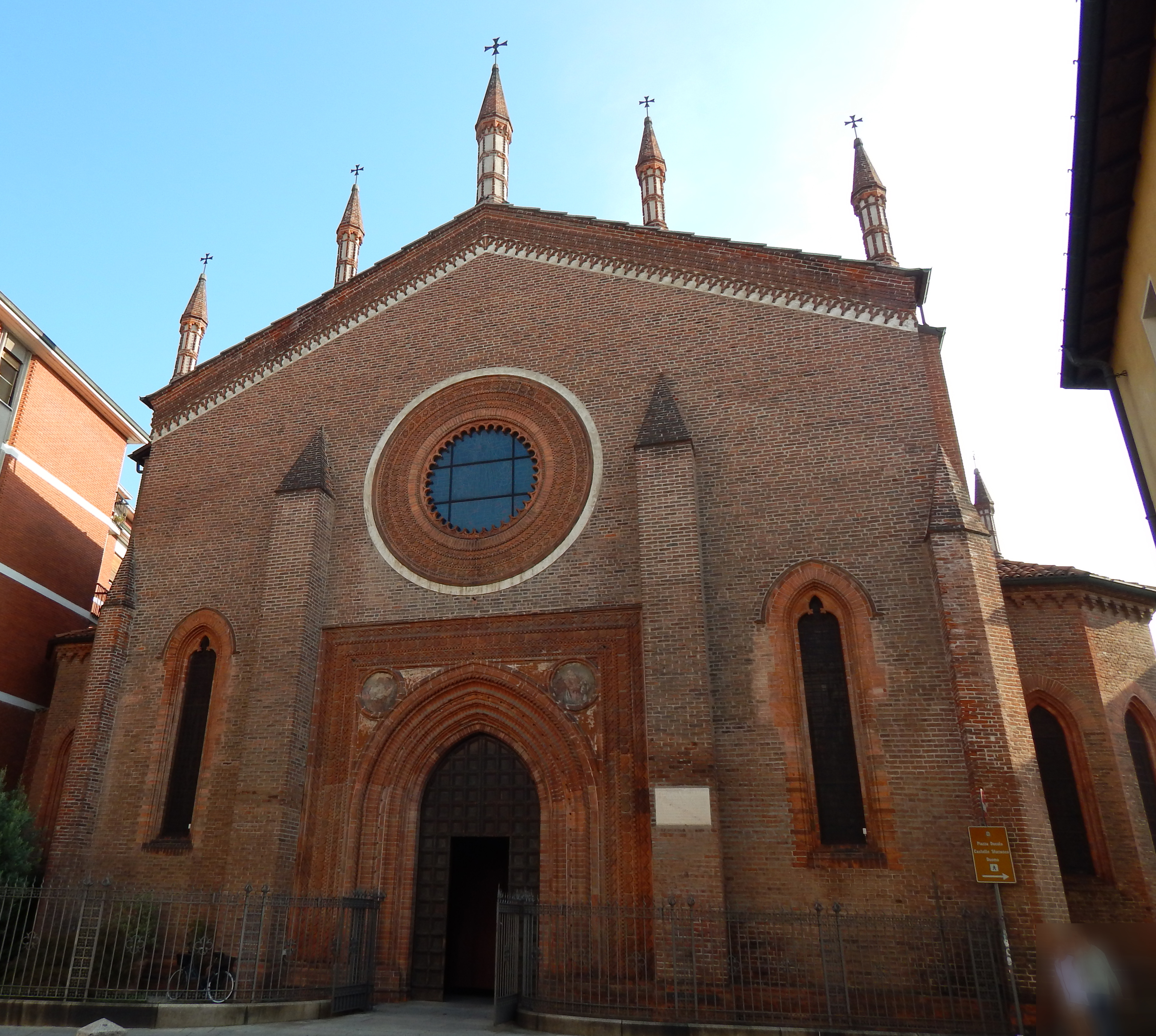
Source: Wikipedia
Lombard Gothic church, original Franciscan foundation from 1379, radically rebuilt between 1465-1470.30 It housed the Chapel of the Immaculate Conception, designed by Donato Bramante in 1494 (unfortunately demolished in 1847).31 This placed the family within the environment of the most advanced artistic patronage of the Sforza court.
Function as "Ark of Salvation" (Post-1801): After the destruction of the Maddalena, San Francesco welcomed the movable heritage of the Ardizzi:
- The Confraternita de' Loici, with its archives and objects (kept in a cupboard above the sacristy).32
- The 1444 Reliquary (transferred in 1847).33
- Possibly other relics in the Scurolo, a raised crypt-chapel typical of Lombardy with high sacredness. The church possesses a Scurolo, a space of high sacredness that functioned as a treasure chamber for these transferred relics.34
Strategic Conclusion: This translatio demonstrates the sophistication of the family's patrimonial strategy. By investing not only in buildings, but in movable objects, archives, and confraternity rights, they ensured that when one material support (the building) was destroyed, memory and identity could migrate and survive in another institutional container.35 It is a lesson in historical resilience. This "pantheon of refuge" preserved historical continuity when the original architecture failed, demonstrating the effectiveness of a diversified investment strategy in the sacred: buildings, relics, titles, and texts, ensuring that if one support was destroyed, memory could migrate to another.
5. Basilica of Santa Maria sopra Minerva (Rome)
Identification and Location
The family's presence in Rome, first in the 15th century and later more intensely in the 17th, should not be interpreted as a phenomenon of emigration, but of corporate extension. Rome, in its capacity as Caput Mundi, offered a platform of universal validation that the ducal court of Vigevano could not grant.36
Biography and Position: Son of Antonio Ardizzi "the Father" (ambassador). He held the position of Apostolic Abbreviator (Scriptor Apostolicus or Abbreviatore de Parco Maggiore) in the Papal Chancery.37 He was not a minor notary. The abbreviators drafted the minutes of papal bulls, required impeccable Ciceronian Latin and deep knowledge of canon law and theology. It was a position of enormous political influence, direct access to the Pope, and very high intellectual prestige, reserved for the humanist elite of Christendom. This position placed Antonio at the center of Roman humanism.38
The Tomb in Santa Maria sopra Minerva: Meaning of the Place: Main church of the Order of Preachers (Dominicans) in Rome, seat of the tribunal of the Roman Inquisition. Pantheon of the curial elite (Medici Popes Leo X and Clement VII, Fra Angelico).39 The choice is not coincidental: the Dominicans also guarded the church of San Pietro Martire in Vigevano, showing devotional coherence. Being buried here was an unequivocal declaration of belonging to the global spiritual and administrative aristocracy.40 His burial at the Minerva integrated the family into the "Republic of Letters" long before Cassiano dal Pozzo founded his Museo Cartaceo.
Definitive Eyewitness Testimony (1529): The verification of the Insignia of the Well on his tombstone is the archaeological proof of the lineage's unity.41 This visual data is the definitive proof of transregional identity. In Rome, an "Ardizzi" did not use a new coat of arms, but the ancestral blazon of the Pozzo of Vigevano. The coat of arms acted as a visual passport, allowing family members to recognize each other and be recognized in the capital of Christendom.42
Lombard Network in Rome: A 17th-century chronicle places him in high-profile events alongside other Lombard nobles:
Comment: List of Lombard gentlemen pacifying themselves before the papal authority (Vice-legate), demonstrating the political status of Antonio Ardizzi outside Vigevano.44
Patrimonial Summary Tables
Table 1: Comparative Summary of Sacred Spaces and their Status
Swipe to see more →
| Building / Institution | Linked Family | Type of Intervention | Object / Key Element | Current State |
|---|---|---|---|---|
| S. Maria Intus Vineas | Ardizzi | Total restoration (1424) | Frescoes (Bugatto/Bembo), Caparisoned Horse | Municipal property, ruin ("Poor") |
| S. Maria Magdalena / S. Hieron | Ardizzi / Pozzo | Foundation (1421), Nominal fusion | Reliquary of St. Maximinus (1444) | Demolished (1800), transfer of objects |
| San Francesco | Ardizzi | Partial patronage (15th c.), Refuge post-1801 | Coats of arms on windows, Reliquary transferred | Active parish, pantheon of refuge |
| St. Christopher (Ancient) | Pozzo | Origin investigation (16th c.) | Historical patronage | Demolished (c. 1940), was reduced to a tax booth |
| St. Christopher (New) | Pozzo | Family chapel in S. Pietro Martire | Banner of the Most Holy Trinity (18th c.) | Active parish (former Dominican convent) |
| San Giuliano (Scaldasole) | Ardizzi | Architectural decoration | Plaques with coat of arms | Active parish |
| S. Maria Sopra Minerva (Roma) | Ardizzi / Dal Pozzo | Funerary/civil presence | Tomb with "Insignia of the Well," inscriptions | Active Basilica |
Table 2: Georeferencing and Sacred Topography Table
Swipe to see more →
| Church / Building | City/Region | Coordinates | Family Link and Observations |
|---|---|---|---|
| S. Maria Intus Vineas | Vigevano (PV) | 45°18'25.99 "N 8°51'27.11"E | Ancient rural stratum, classicist portico, fresco of the caparisoned horse. Legitimization of antiquity. |
| S. Maria Maddalena (S. Hieron) | Vigevano (PV) | 45°19'02.0" N 8°51'28.0"E | Main urban foundation, seat of the onomastic fideicommissum "Pozzo-Ardizzi". Place of legal fusion. |
| San Francesco | Vigevano (PV) | 45°19'02.5" N 8°51'15.8"E | Post-Napoleonic pantheon of refuge. Houses the 1444 reliquary and archives of the confraternity. Heraldic coats of arms. |
| Chapel of S. Cristoforo (Duomo) | Vigevano (PV) | 45°19'01"N 8°51'32"E | Patronage within the episcopal see. Symbol of protection for travelers (diplomats). |
| S. Maria sopra Minerva | Roma (RM) | 41°53'53"N 12°28'42"E | Tomb of Antonio Ardizzi (Apostolic Abbreviator) and Cassiano dal Pozzo. Heraldic proof of the lineage's unity. |
Table 3: Chronology of Foundations and Key Events
Swipe to see more →
| Year | Location | Event / Foundation | Main Protagonist | Strategic Significance |
|---|---|---|---|---|
| 1202 | Vigevano | Existence of S. Maria Intus Víneas | Cistercian Monks | Link to pre-communal antiquity. |
| 1418 | Vigevano | Visit of Pope Martin V to Intus Víneas | Pope Martin V | Sacralization of the space. |
| 1421 | Vigevano | Foundation of SS. Girolamo, Giuliano e Maddalena | Antonio Ardizzi ("the Father") | Foundational act of the Ardizzi-Pozzo union in the urban center. |
| 1424 | Vigevano | Acquisition of the Giuspatronato of Intus Víneas | Ardizzi Family | Privatization of local historical memory. |
| 1444 (Jun) | Vigevano | Donation of the Silver Reliquary | Abramo Ardizzi | Angevin connection and flow of symbolic capital Adriatic-Lombardy. |
| 1453 | Abruzzo | Grant of the Fiefdom of Colonnella | Abramo Ardizzi / King René | Rise to feudal nobility. |
| c. 1500 | Roma | Death and Tomb in S. Maria sopra Minerva | Antonio Ardizzi (the Younger) | Heraldic validation ("Insignia of the Well") in the Curia. |
| 1539 | Vigevano | Cession of the Maddalena to the Confraternita de' Loici | Guardians of the Ardizzi heirs | Beginning of shared management and conflict with the bourgeois corporation. |
| 1550 | Vigevano | Drafting of the Libro d'Estimo Generale | Simone del Pozzo | Documentary fixation of memory and family fusion. |
| 1801 | Vigevano | Demolition of S. Maria Maddalena | Napoleonic Government | Material crisis; beginning of the translatio to S. Francesco. |
Sources and Bibliography (Chicago Style -- Humanities)
- Lubkin, Gregory. A Renaissance Court: Milan under Galeazzo Maria Sforza. Berkeley: University of California Press, 1994.
- Muir, Edward. Civic Ritual in Renaissance Venice. Princeton: Princeton University Press, 1981.
- Records of the Monastery of San Maiolo di Pavia, 1202. Archivio di Stato di Pavia.
- Brambilla, Carlo Stefano. La Chiesa di Vigevano. Milano: Camagni, 1669.
- Reconstruction based on the chronicle of Brambilla and Sacchetti.
- Architectural analysis based on direct observation and photographs available at the ICCD.
- Ackerman, James S. Distance Points: Essays in Theory and Renaissance Art and Architecture. Cambridge, MA: MIT Press, 1991.
- DGABAP Report, "SANTA MARIA INTUS VINEAS".
- Attributions collected in local 19th and 20th-century historiography, and in ICCD records.
- DGABAP Report and ICCD photographs.
- Bertelli, Sergio. Il corpo del re: sacralità del potere nell'Europa medievale e moderna. Firenze: Ponte alle Grazie, 1990.
- DGABAP Report.
- Egidio Sacchetti, Vigevano Illustrato (Milano: Gio. Pietro Eustorgio Ramellati, 1648).
- Simone del Pozzo, Libro d'Estimo generale della città di Vigevano (autograph manuscript, 1550).
- Grubb, James S. Provincial Families of the Renaissance. Baltimore: Johns Hopkins University Press, 1996.
- Duffy, Eamon. The Stripping of the Altars: Traditional Religion in England, 1400-1580. New Haven: Yale University Press, 1992.
- Ministero della Cultura, "Reliquiarlo di Abramo Ardizzi," scheda ICCD n. 0300001537.
- Comparative stylistic analysis based on goldsmithing catalogs from northern and central Italy.
- Bourdieu, Pierre. The Field of Cultural Production. New York: Columbia University Press, 1993.
- Jacobus de Voragine, Legenda Aurea. Ed. Giovanni Paolo Maggioni. Firenze: SISMEL, 1998.
- Geary, Patrick J. Furta Sacra: Thefts of Relics in the Central Middle Ages. Princeton: Princeton University Press, 1978.
- Notarial instrument of Claudio de Ferrari, August 21, 1539, Archivo Notarile di Vigevano.
- Black, Christopher F. Italian Confraternities in the Sixteenth Century. Cambridge: Cambridge University Press, 1989.
- Acts of Napoleonic suppression, Archivo di Stato di Milano.
- Simone del Pozzo, Libro d'Estimo generale.
- Webb, Diana. Patrons and Defenders: The Saints in the Italian City-States. London: Tauris Academic Studies, 1996.
- Società Storica Lombarda, Archivio Storico Lombardo. Description of corner windows and epigraphy (Series IV, Vol. XIX).
- Kucher, Michael P. The Water Supply System of Siena, Italy. New York: Routledge, 2005.
- Lowenthal, David. The Past is a Foreign Country. Cambridge: Cambridge University Press, 1985.
- "Chiesa di San Francesco (Vigevano)," Wikipedia.
- References to Bramante in local chronicles and artistic bibliography.
- Records of the Confraternita de' Loici in the San Francesco archive.
- ICCD record and San Francesco registers.
- Historical inference based on the architectural typology of the Scurolo as a treasure chamber.
- Lowenthal, David. The Past is a Foreign Country.
- Prodi, Paolo. The Papal Prince. Cambridge: Cambridge University Press, 1987.
- Records of the Apostolic Chancery, Archivo Segreto Vaticano.
- Partner, Peter. The Pope's Men: The Papal Civil Service in the Renaissance. Oxford: Clarendon Press, 1990.
- Hibbard, Howard. The Architecture of the Palazzo Borghese. Roma: American Academy in Rome, 1962.
- Partner, The Pope's Men.
- Account of Simone del Pozzo about his trip to Rome, 1529.
- Pastoureau, Michel. Traité d'héraldique. Paris: Picard, 1979.
- 17th-century chronicle, transcription in a private collection (copy consulted at the Vatican Apostolic Library, Barberini collection).
- Ibid.
The family's history in Argentina is a story of migration, adaptation, and work on the southern frontier. Unlike the stone monuments in Italy, the heritage here was built upon the land and communal labor.
1. Ángela Laureana Pozzi ("La Negra")
The Nurse of Patagones (1907 - ?)
Identity Card
My name is Ángela Laureana Pozzi, but you put ‘La Negra Pozzi’ because everyone around here knows me by that name, as I don't think many know my real name.
Born in Carmen de Patagones on July 4, 1907, daughter of José Ángel Pozzi (Italian immigrant) and Isabel Asejo (Andalusian). She grew up on the "Las Cruces" farm, near the "La Querencia" area, where her father had a Post House for the Mora Stagecoach.
🍬 Anecdote: The red-colored sweet
"The arrival of the ‘high flatbeds’ of Pozzo Ardizzi... was a real party... That time when I was about seven or eight years old, I came across some very pretty colored cans they were carrying. Since I couldn't read... I stole one! When my brother Juan and I opened it and tasted that kind of red-colored sweet, we started gagging. That product turned out to be ‘tomato sauce’. To get rid of the evidence, I ran beyond the corral and buried the can. No one ever found out about my mischief!"
🍫 Gambino's Chocolate Bars
"Another highly anticipated visitor... was Mr. Maximino Gambino, from Bahía Blanca... Don Maximino would bring us whole boxes of chocolate bars and several times, to avoid ‘sharing them out’, my brother Juan and I would steal a box and it always ended the same way: a huge binge eating with a stomach ache!"
In 1919 the family moved to the town. "Needing to learn a trade for the future, I took up ‘clothes embroidery’ and giving injections. I learned everything by myself! ... People started calling me from all over town to give injections... From then until now, I became simply ‘Negra’ Pozzi."
She worked until past the age of 90, earning the absolute trust of local doctors such as Dr. Koltik, Escudero, and Luisito Gutvay.
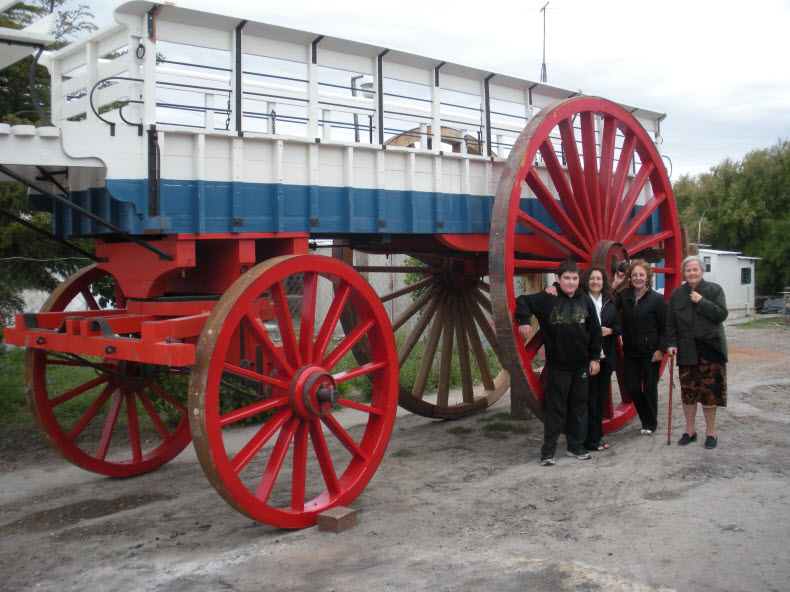
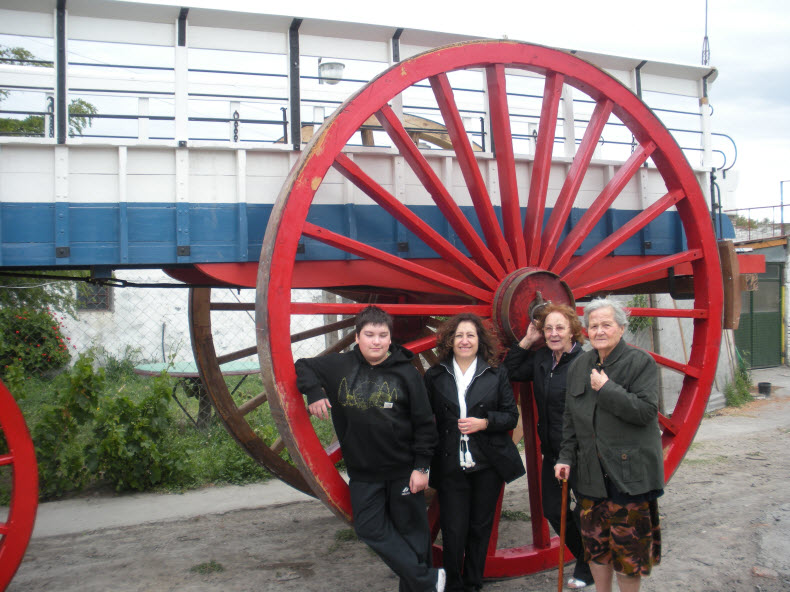
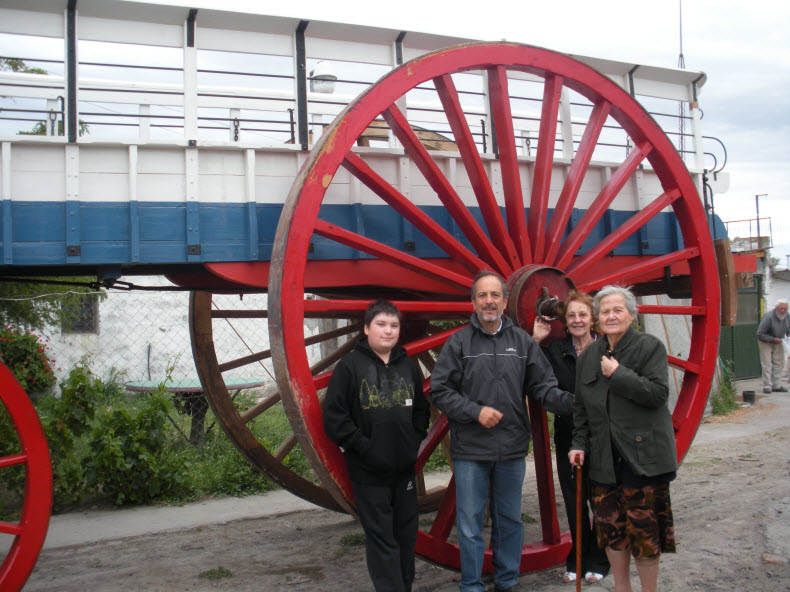
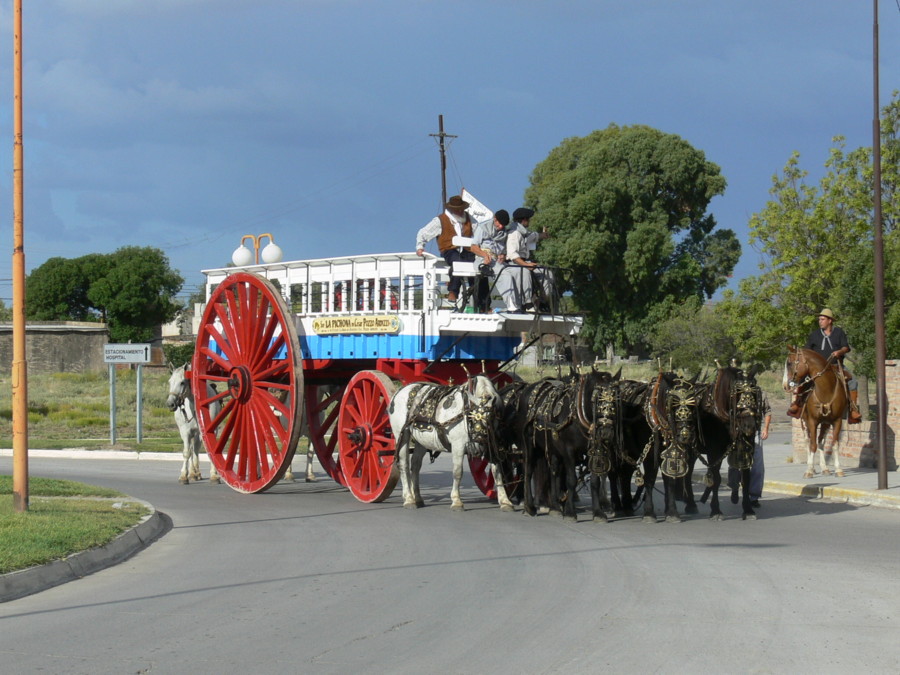
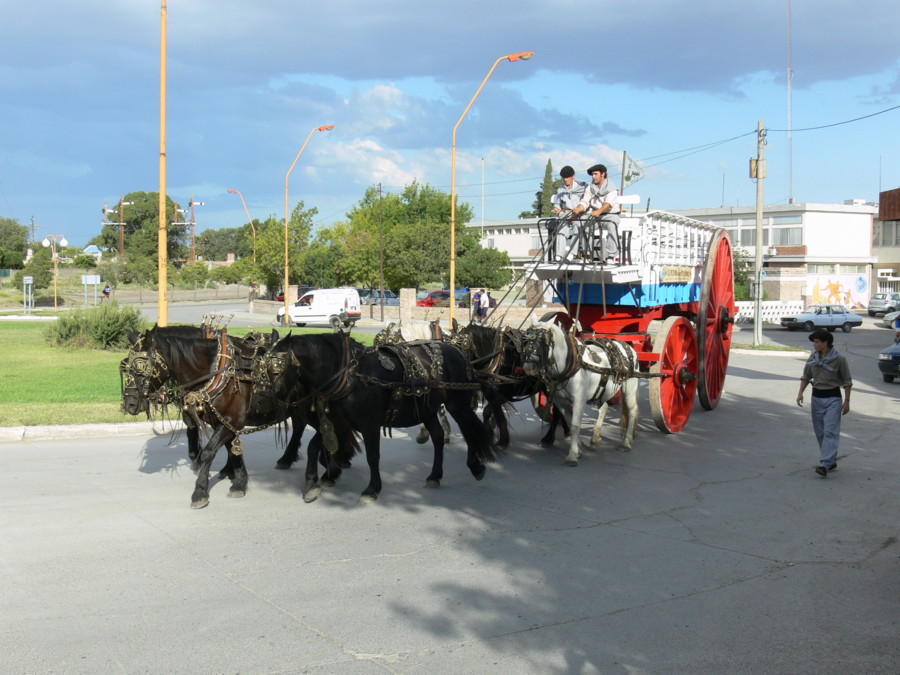
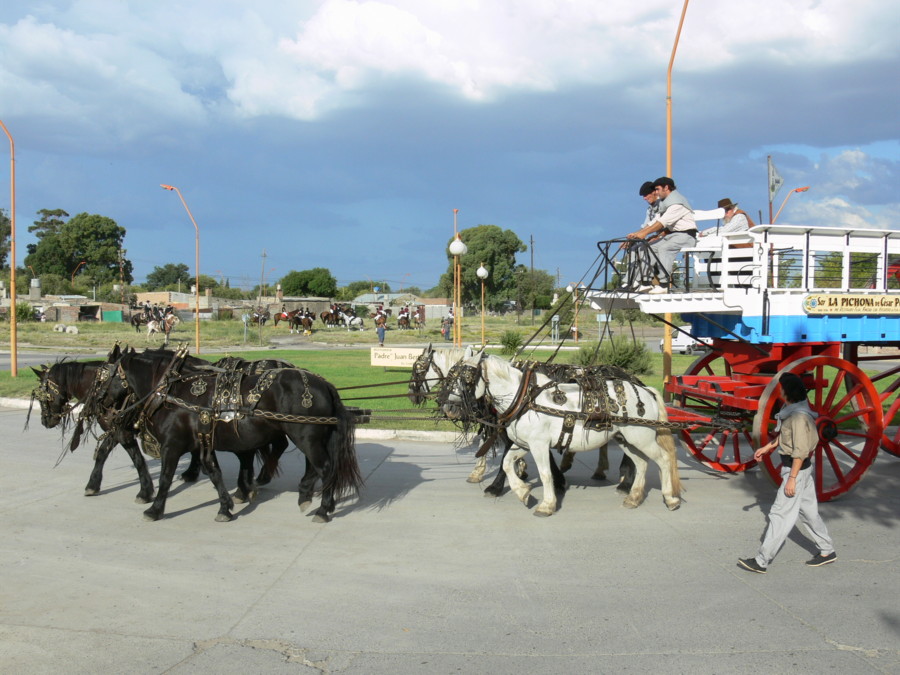
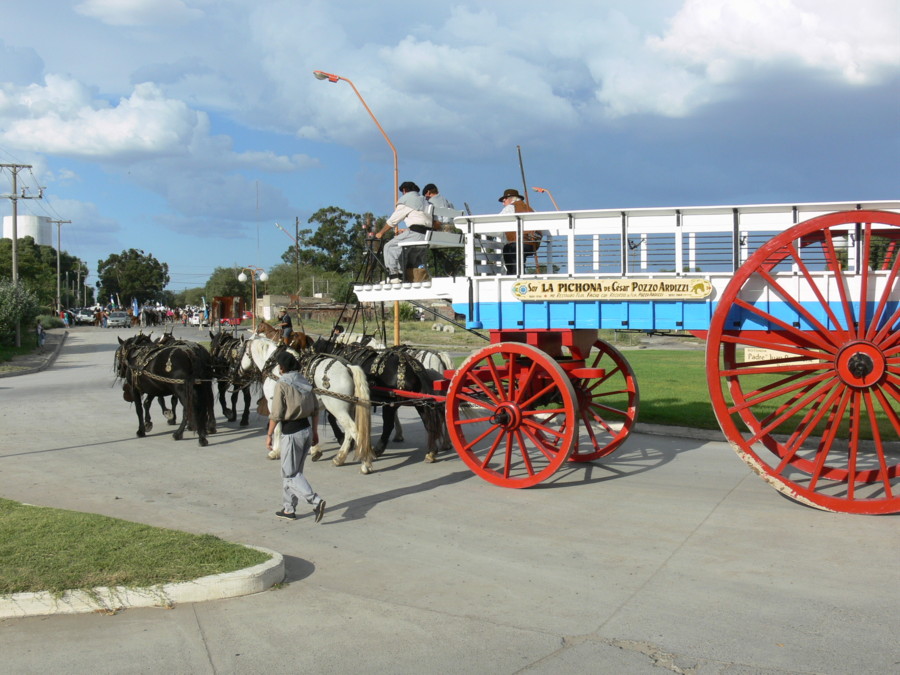
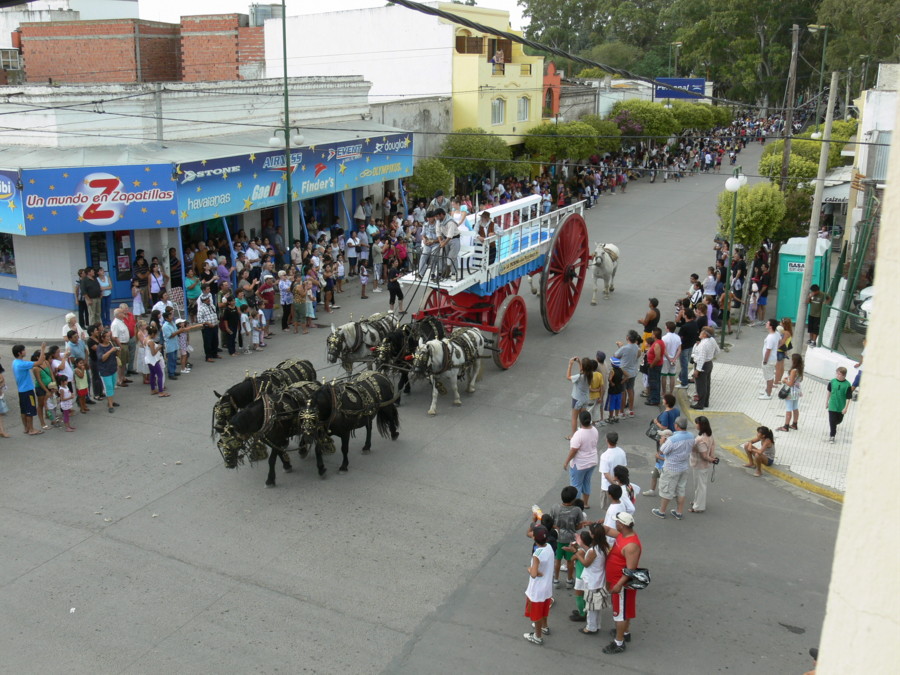
2. Historical Heritage: Wagon "La Pichona"
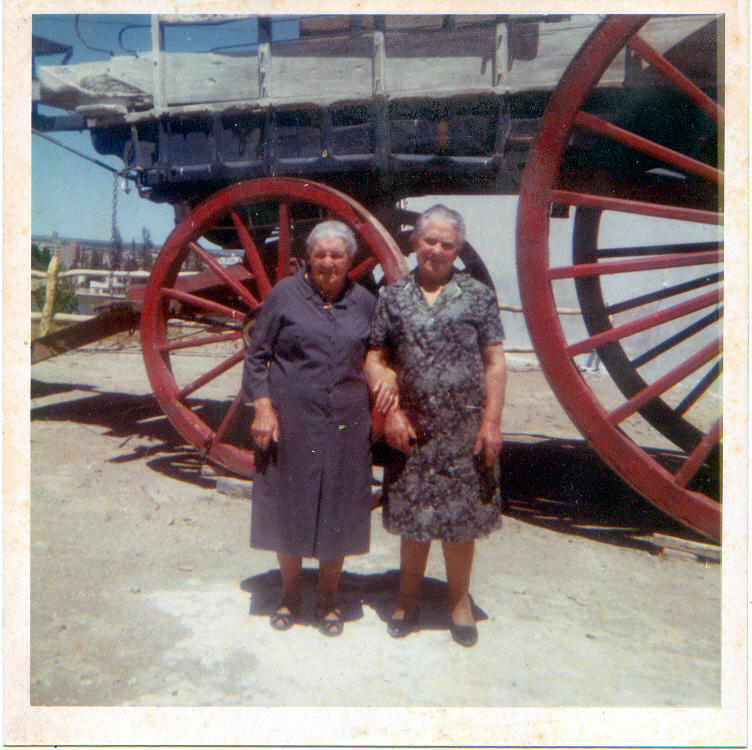
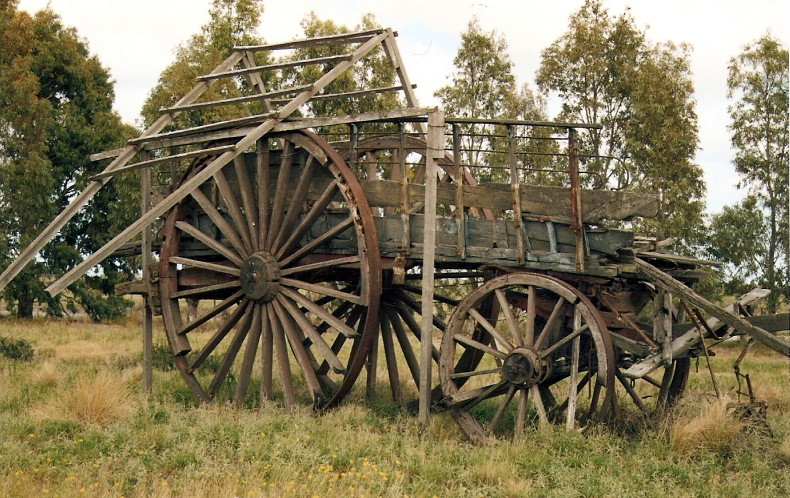
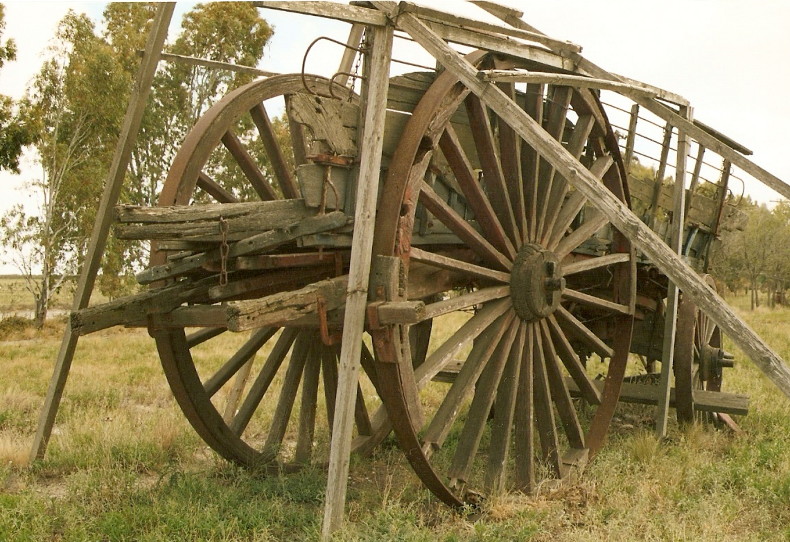
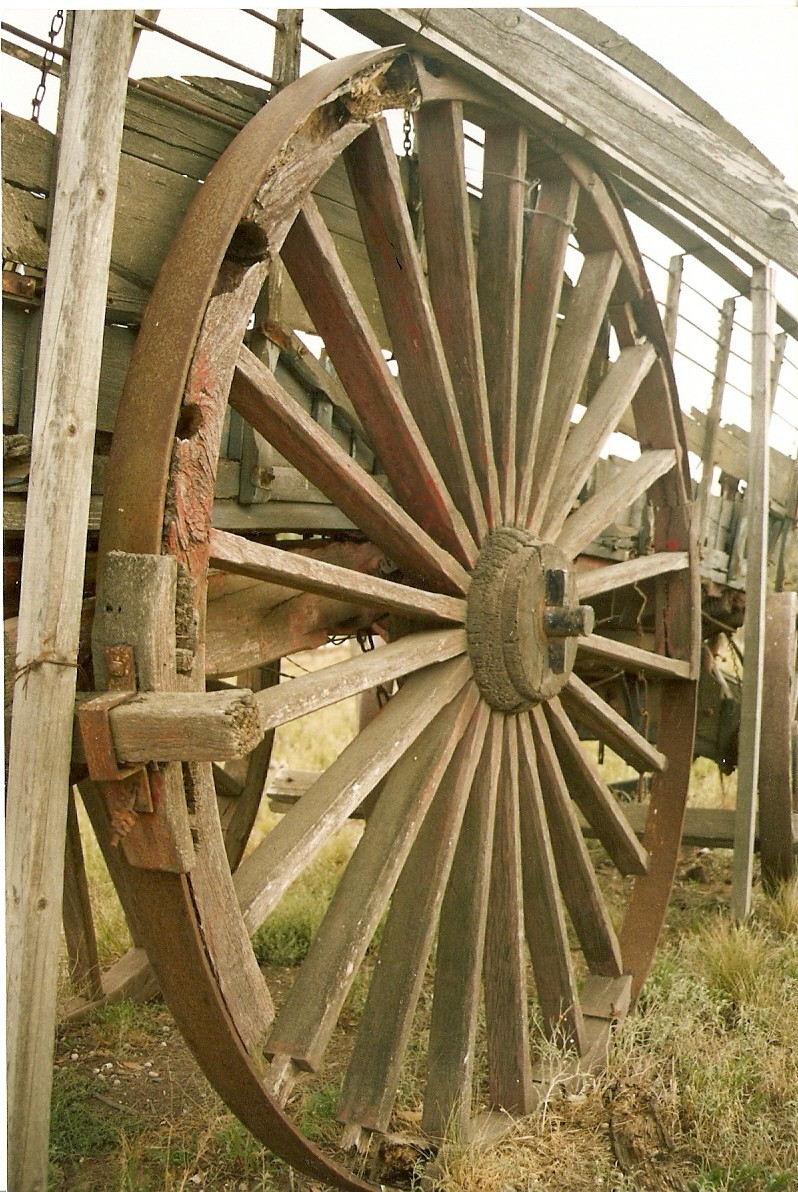
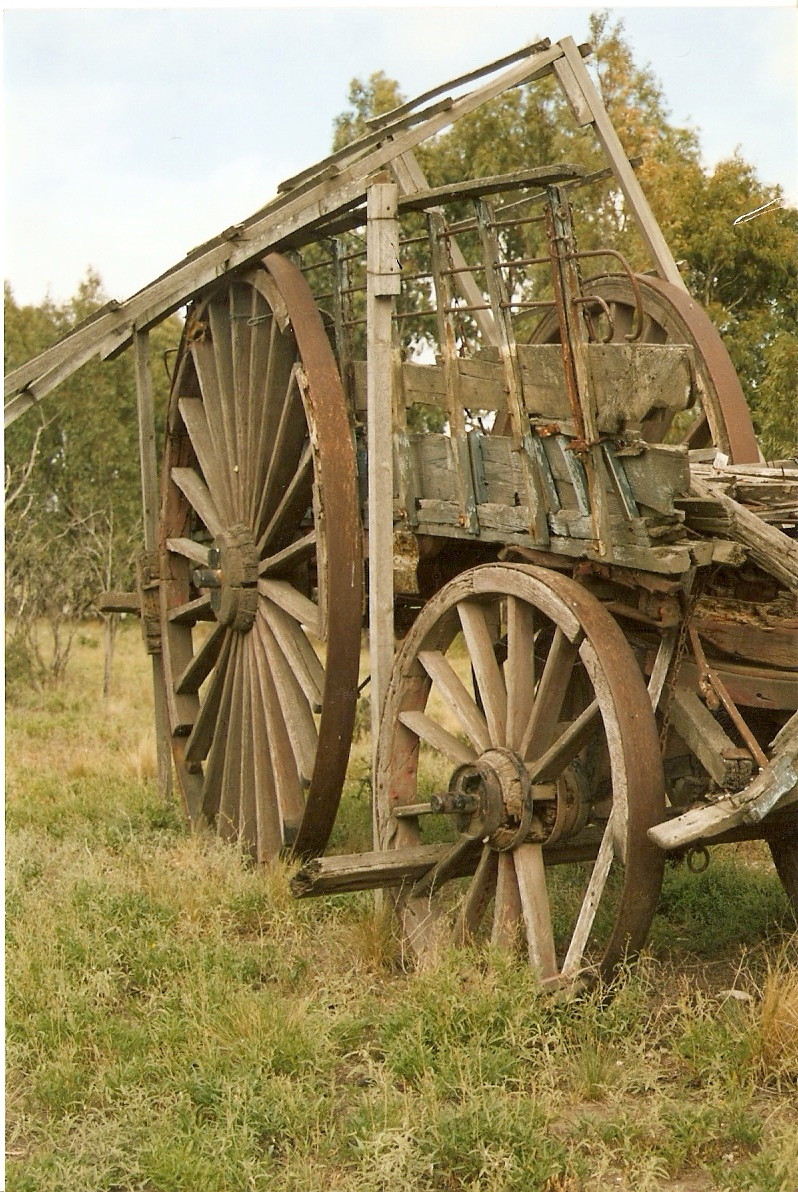
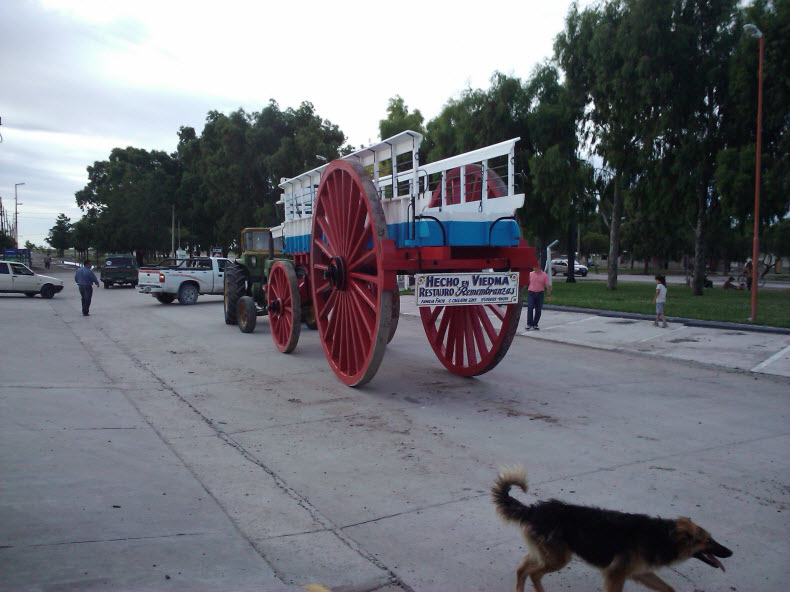
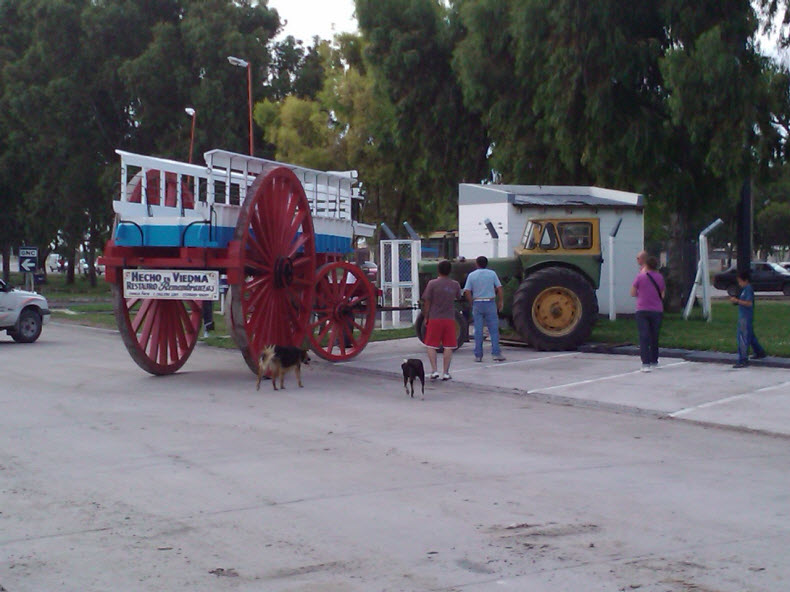
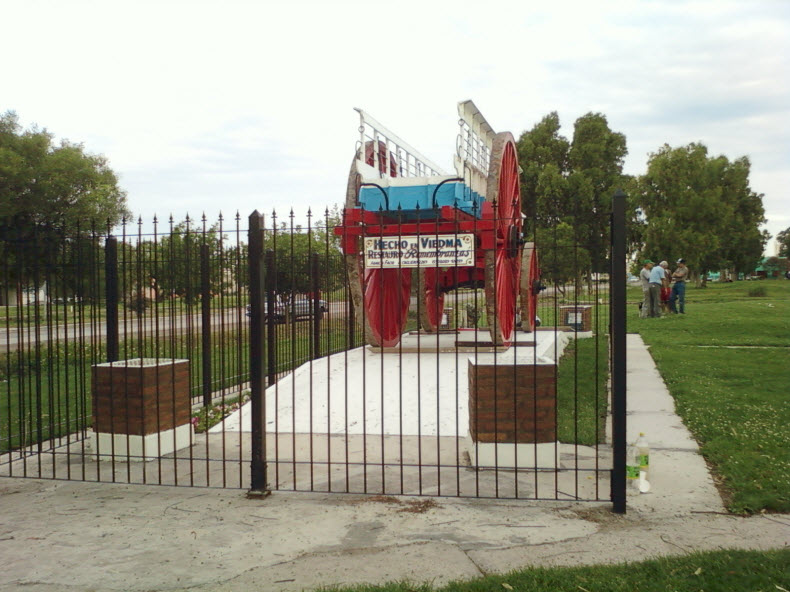
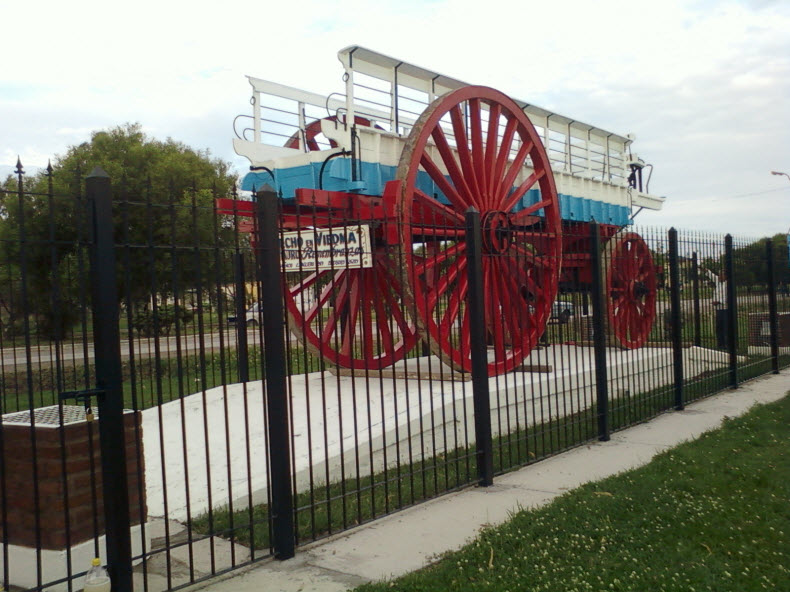
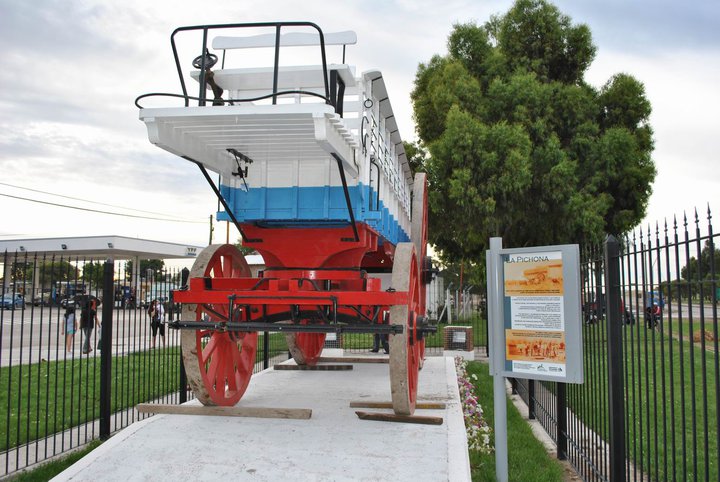
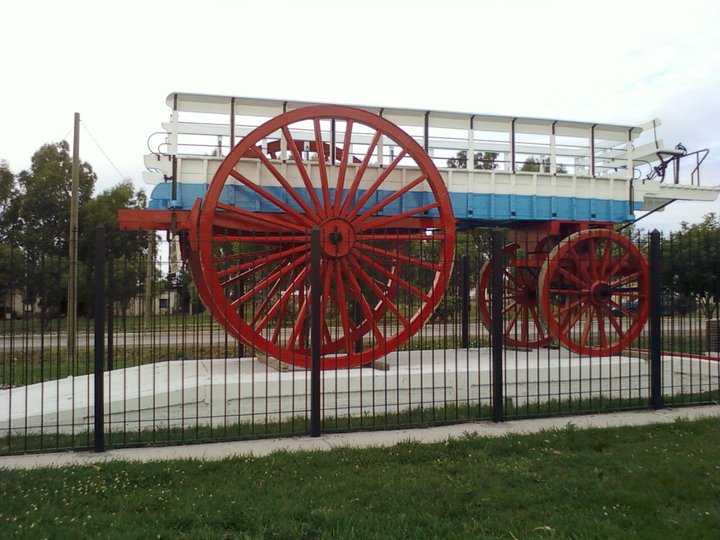
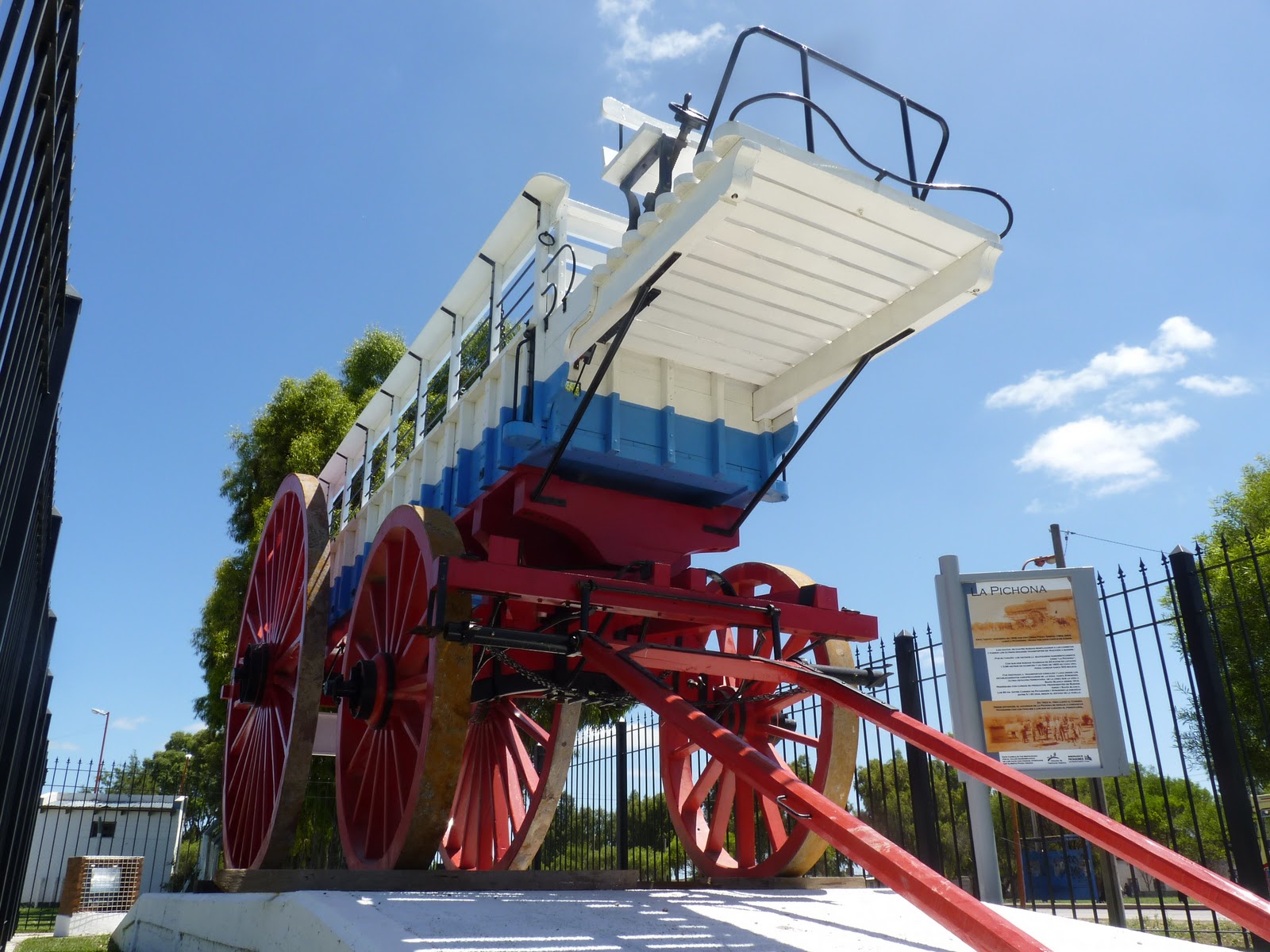
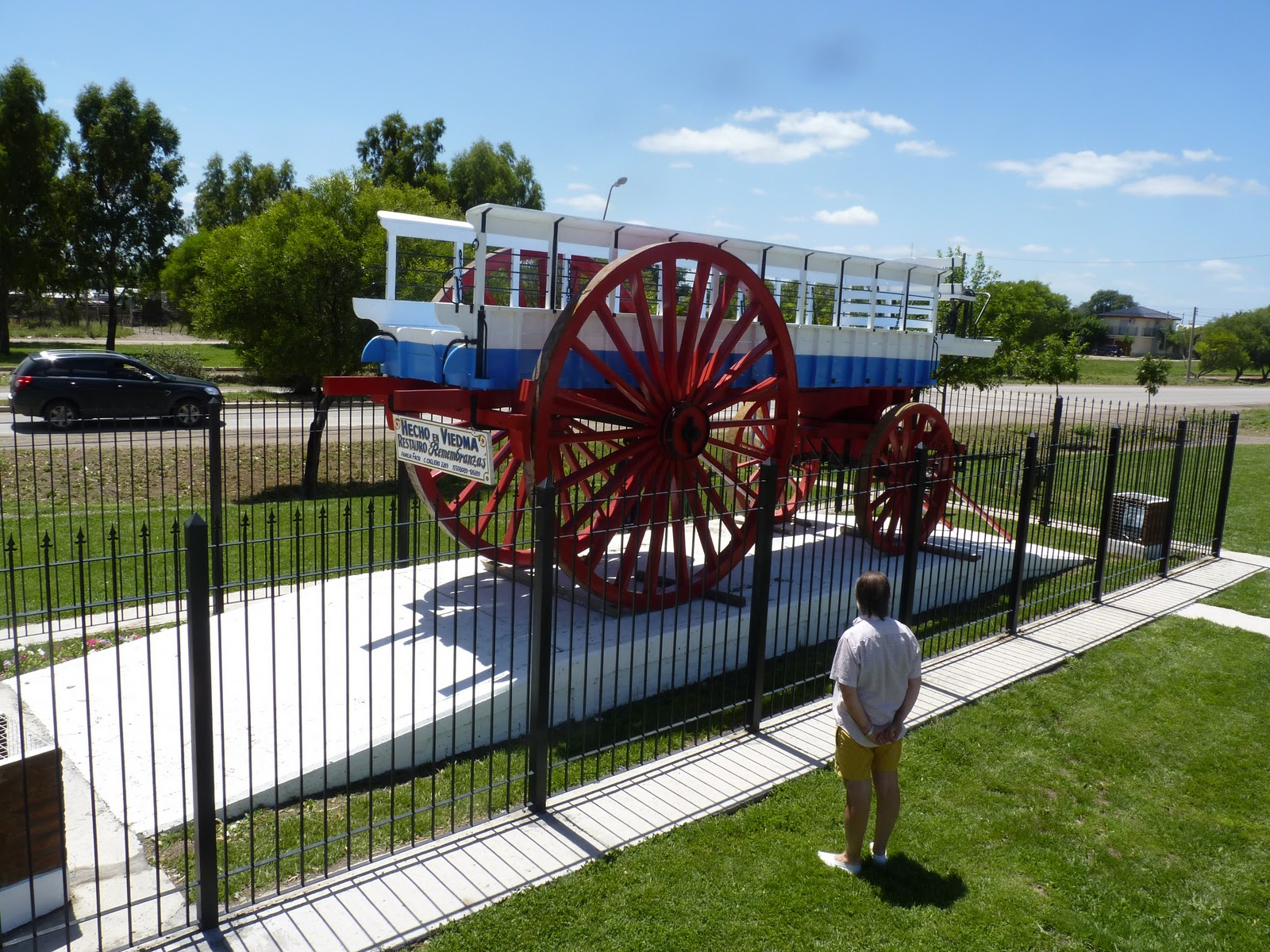
This enormous carriage was owned by the firm César Juan Bautista Pozzo Ardizzi, a merchant established in Patagones around 1917.
Around 1917, the couple arrived in Carmen de Patagones from Aparicio (Tres Arroyos). Among their belongings, they brought three wagons that they would use for their work transporting wool and grain.
📋 Asset Technical Data Sheet
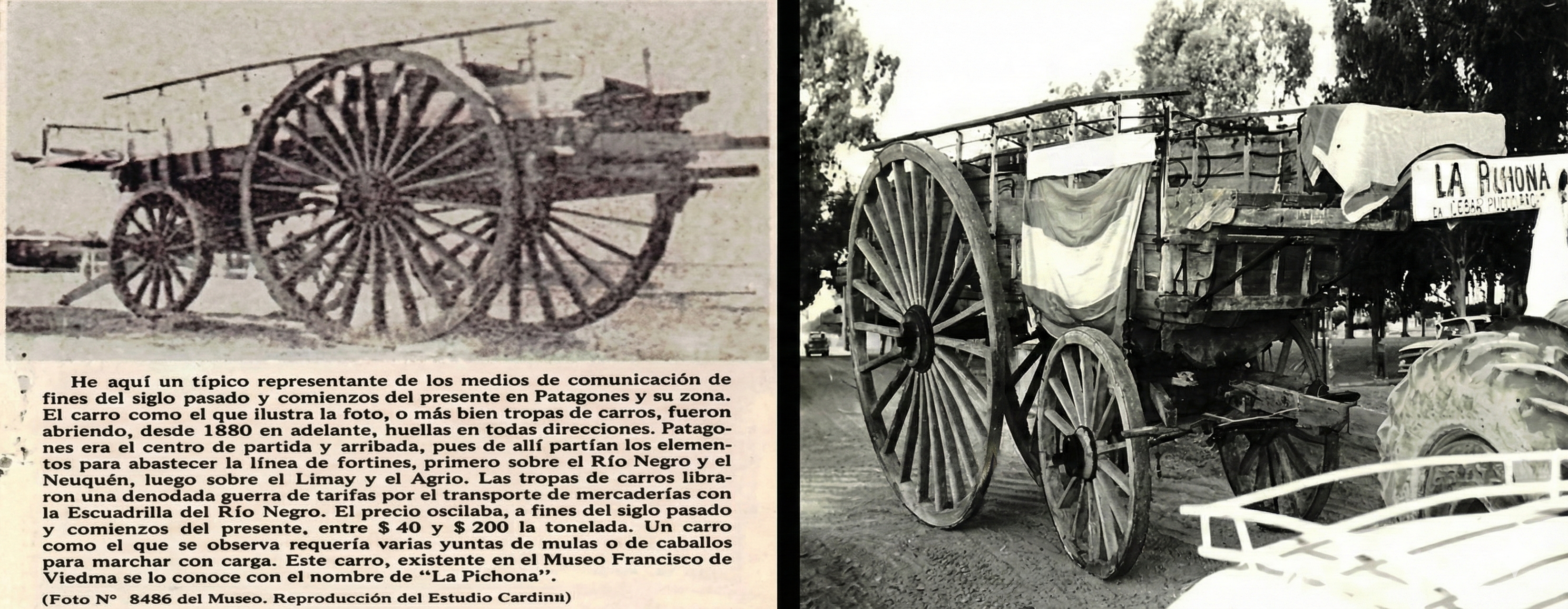
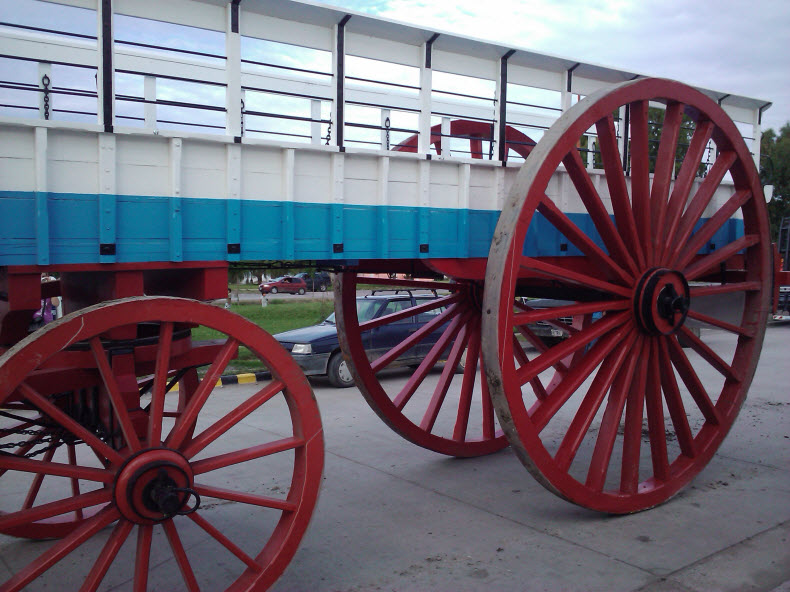
Of the three large wagons, the most prominent was the largest, named "La Pichona". There is an oral tradition indicating it was the "smallest one," a touch of Creole humor given its monumental size.
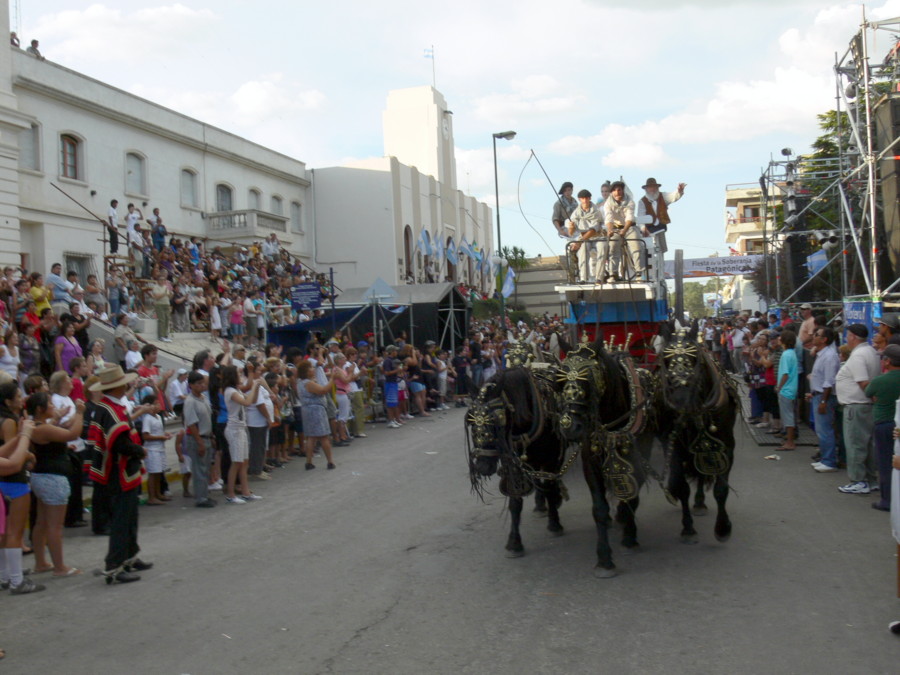
It shares historical merits with other famous Argentine flatbeds like "La Luz del Desierto" and "La Bienvenida".
A. Historical Documentation
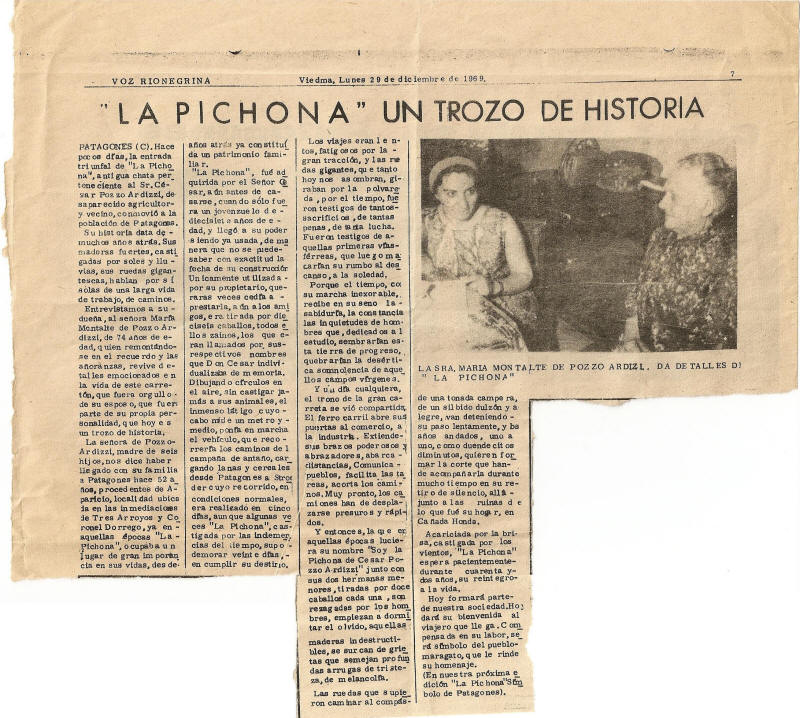
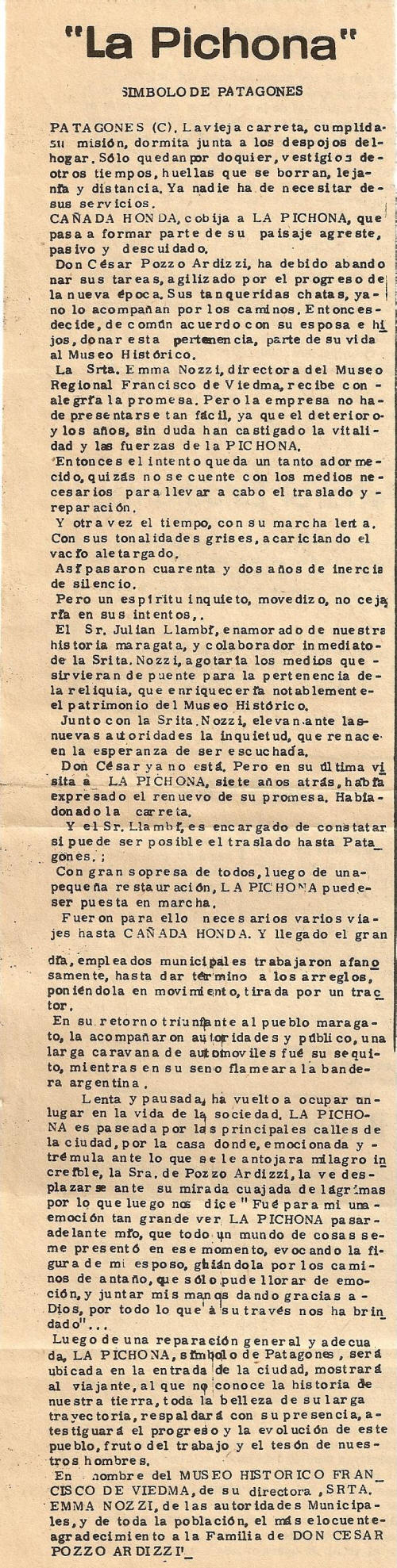
B. The Period of Oblivion (2009)
With the advent of the railroad (1921) and roads, lower costs and reduced travel time, "La Pichona" came to rest at a place known as "Cañada Honda." In 1969 it was brought back to Patagones as a historical testimony. However, after years of neglect on the grounds of the Club Hípico Fuerte del Carmen, its condition was critical.
📰 Read Full Chronicle: "The painful abandonment..."
The painful abandonment of the old railway warehouses of Patagones
By Carlos Espinoza for APP - July 26, 2009
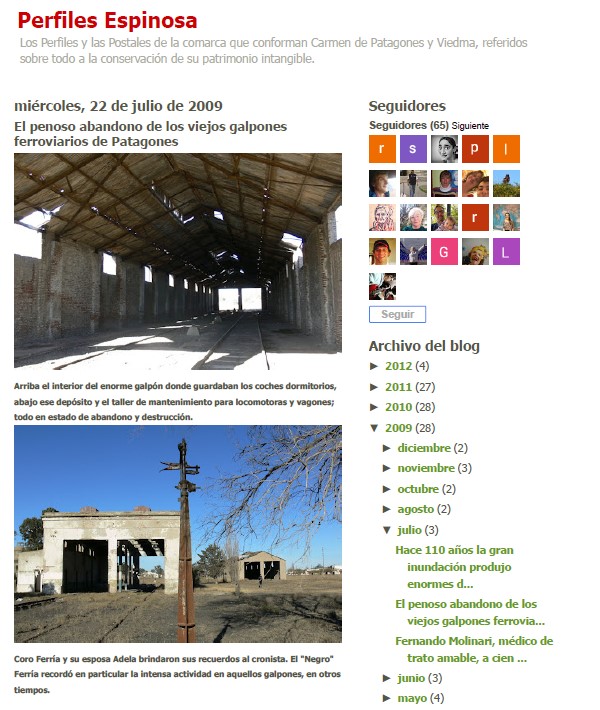
Condemned to destruction by the effects of rain, wind, and sun; the noble materials with which they were built could withstand all harsh weather, but abandonment finally defeated them. The carts of yesterday, which carried so much wealth and productive effort, now lie like sad skeletons in the surroundings of Carmen de Patagones.
The testimony of "Coro":
For the first purpose, the repair of memory, Francisco Aníbal "Coro" Ferría (95 years old), a former railway mechanic, was interviewed. Ferría felt great sorrow in his railway worker's soul upon seeing the ruinous state of those old places of his work: "to think that we did so many things here... and now, what a shame they are not used for anything."
During the conversation... there was no lack of memory of painful workplace accidents that cost the lives of two workers... "One was a young man named Suracce, who was caught by a wheel... and another, a certain Nardi from Bahía Blanca, was trapped by the bellows between two cars".
Then the ferrocide:
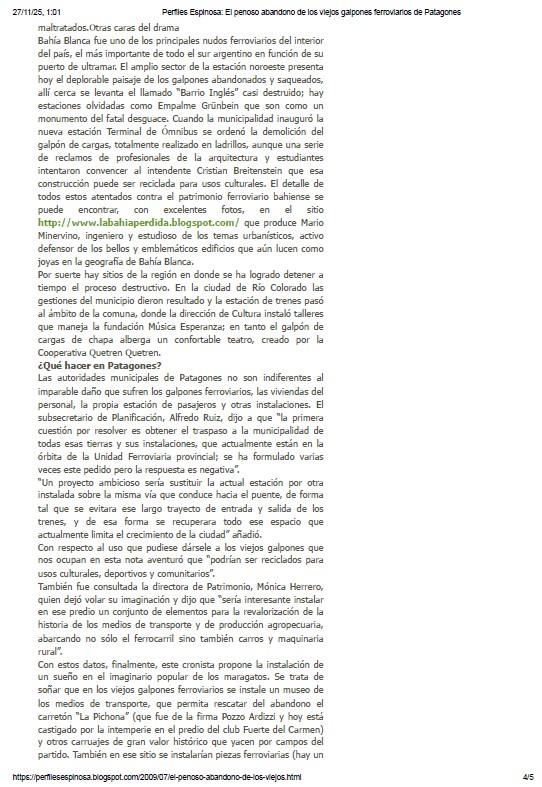
This regrettable reality of abandonment... is part of the phenomenon that historian Juan Carlos Cena calls "ferrocide" (railway killing). When the branch lines died, these gigantic constructions fell into disuse, like ghostly skeletons.
What to do in Patagones?
With this data, finally, this chronicler proposes planting a dream in the popular imagination of the maragatos. It's about dreaming that a museum of means of transport be installed in the old railway warehouses, allowing the wagon "La Pichona" (which belonged to the Pozzo Ardizzi firm and today is battered by the weather on the grounds of the Fuerte del Carmen club) and other carriages of great historical value to be rescued from abandonment... A dream, for now.
C. Legislative Management (2004)
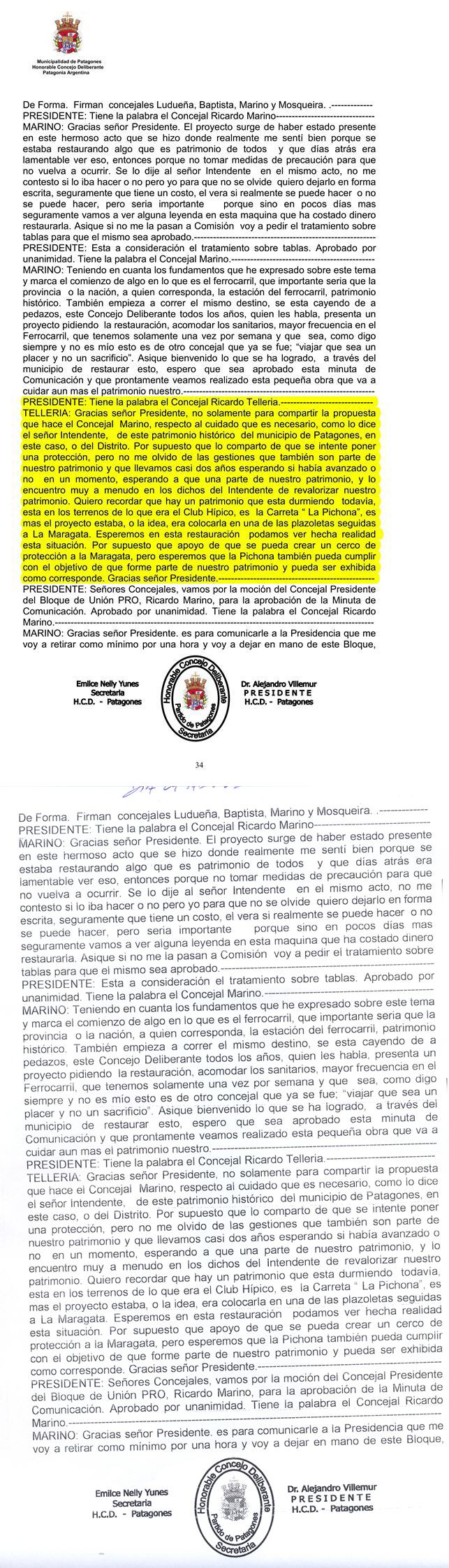
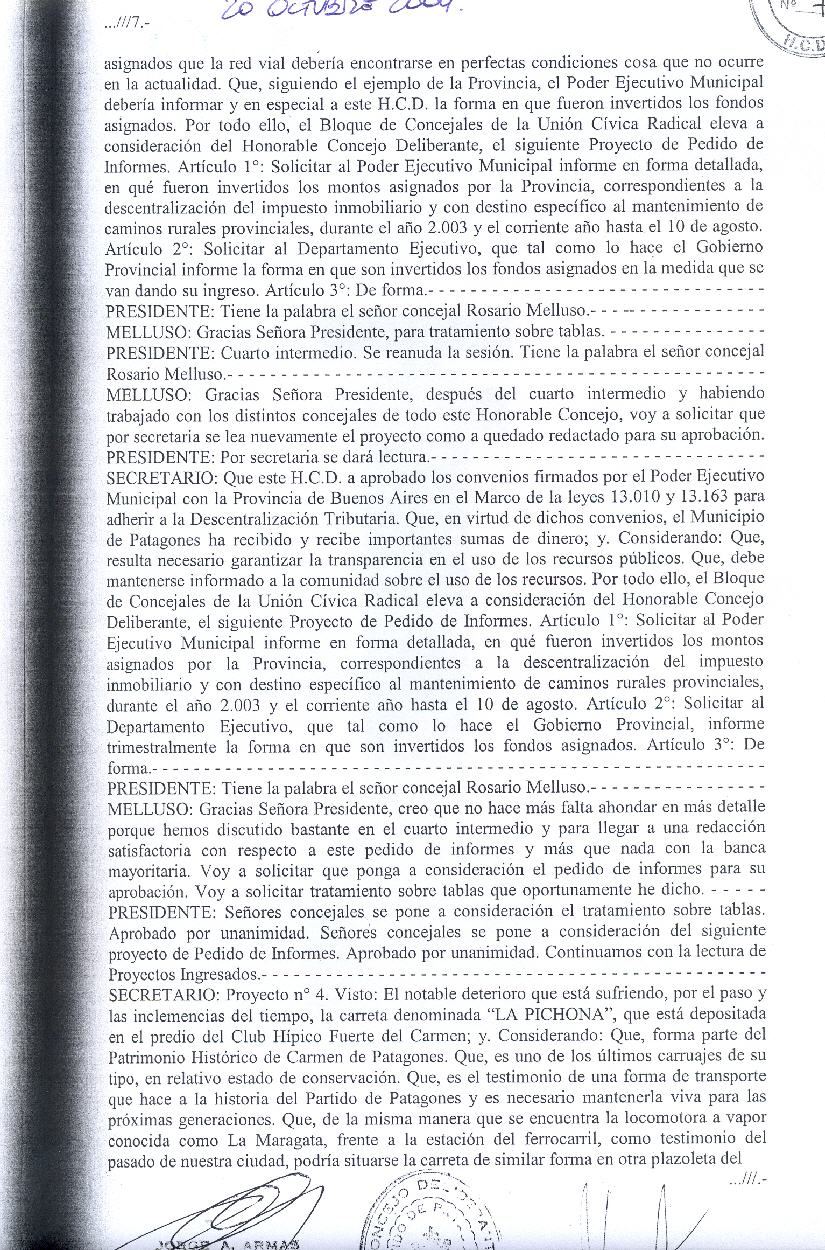
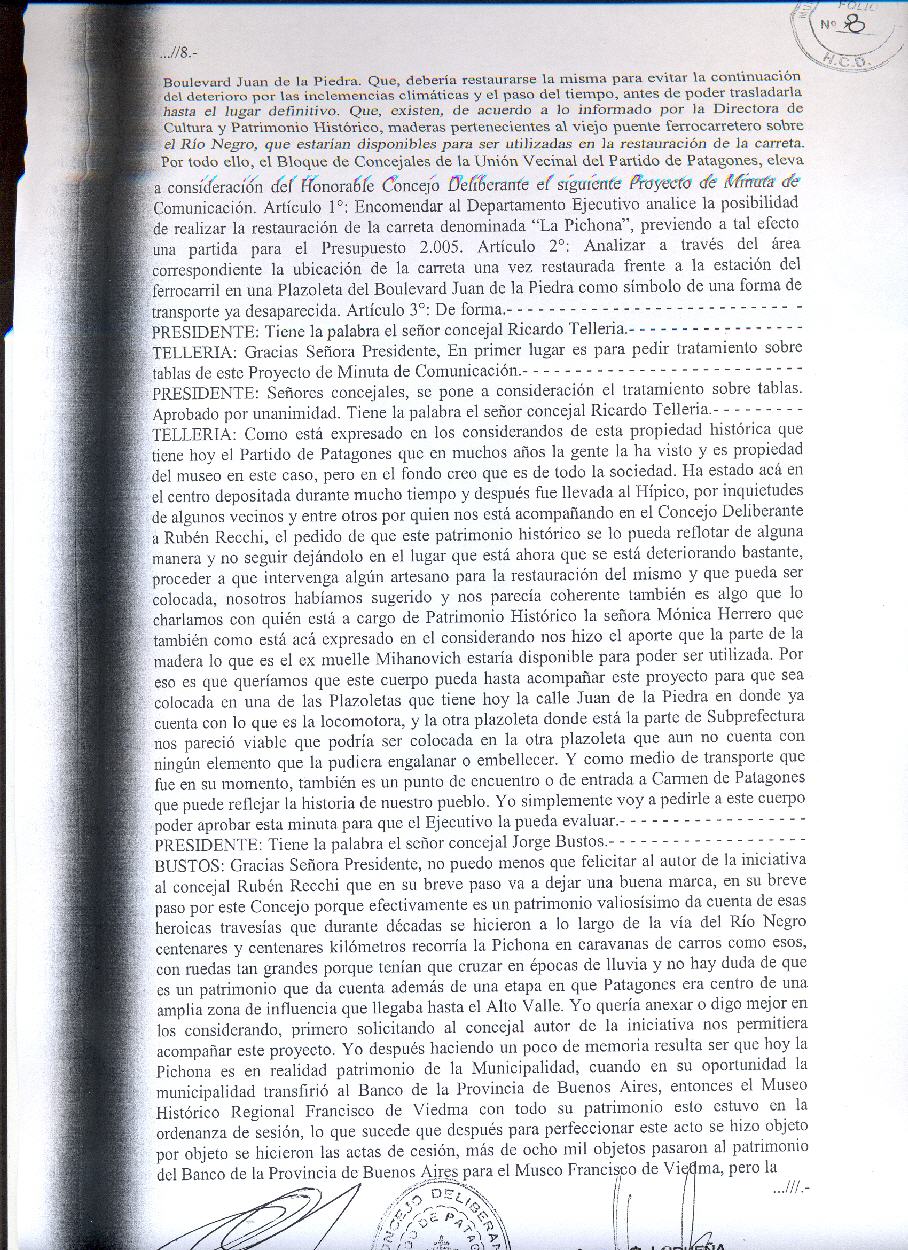
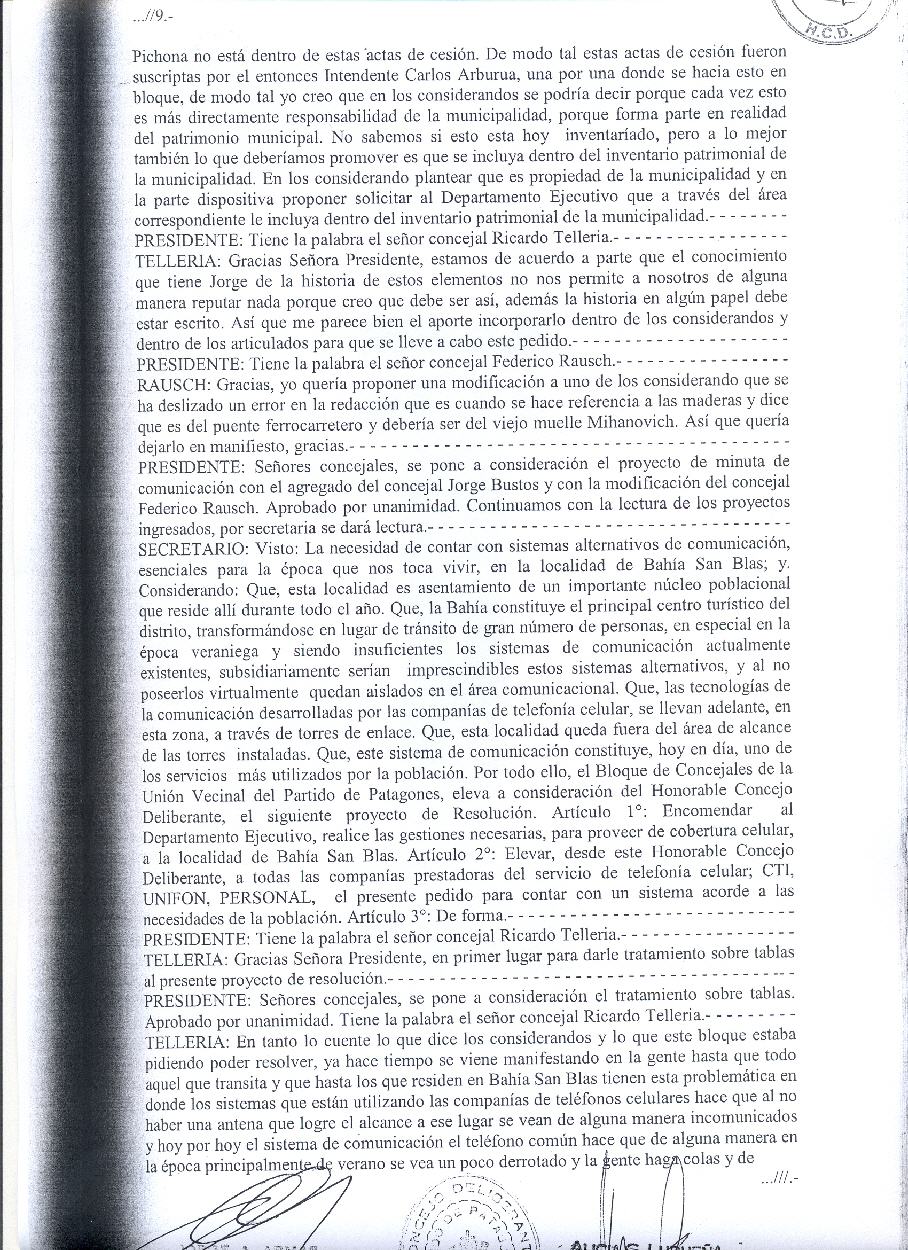
File No. 4084-4667/08 of the Honorable Deliberative Council. Project to declare the wagon as Historical Heritage and request its restoration.
📜 Read Full Project Text
WHEREAS: The notable deterioration that the wagon called “LA PICHONA” is suffering, due to the passage and inclemency of time, which is deposited on the grounds of the Club Hípico Fuerte del Carmen.
CONSIDERING:
THAT it is part of the Historical Heritage of Carmen de Patagones.
THAT it is one of the last carriages of its kind, in a relative state of conservation.
THAT it is the testimony of a form of transport that is part of the History of the Partido de Patagones.
THAT it should be restored to prevent continued deterioration.
THAT there are woods belonging to the old railway bridge over the Río Negro, which would be available for use.
ARTICLE 1: Entrust the Executive Department to analyze the possibility of carrying out the restoration of the wagon called “La Pichona”, providing for this purpose an allocation in the 2005 Budget.
ARTICLE 2: Analyze, through the corresponding area, the location of the wagon once restored, in front of the railway station, in a small square on Juan de la Piedra Boulevard, as a symbol of a form of transport that has already disappeared.
ARTICLE 3: Formalities.
(The motion was accepted and included in the 2005 budget, but was never applied at that time).
D. Restoration Process and Technical Intervention
The comprehensive recovery of this cultural asset was funded and managed by Alberto "Cholino" Pozzo Ardizzi, a local businessman and grandson of the pioneer.
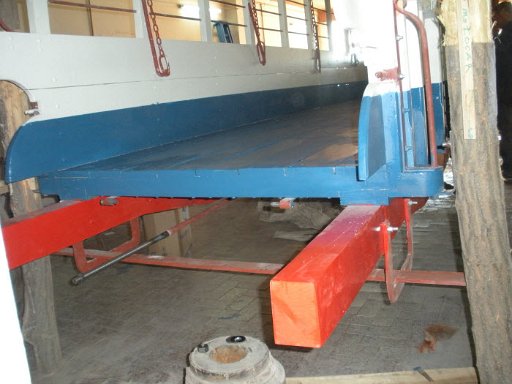
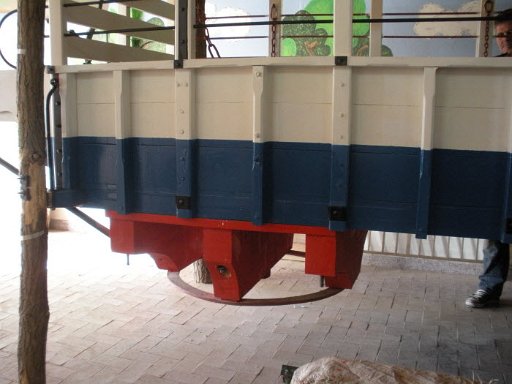
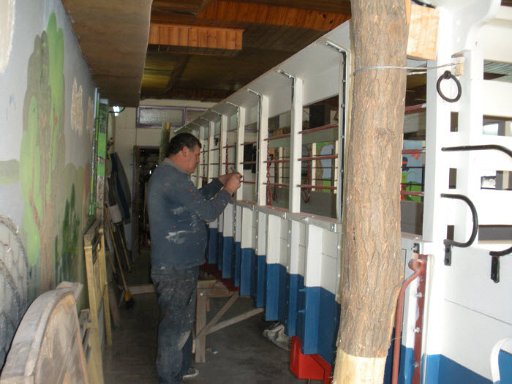
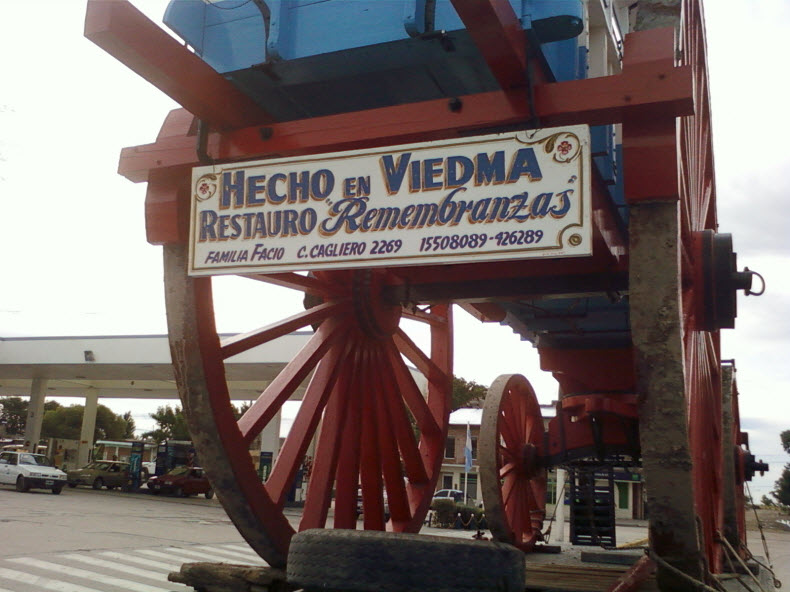
The technical work was carried out by the master blacksmith Don Luis Esteban Facio and his collaborators at the "Remembranzas" workshop (Viedma), who carried out highly skilled artisanal work to recover original woods and hardware.
📰 Read Chronicle: "Comes back to life..." (2010)
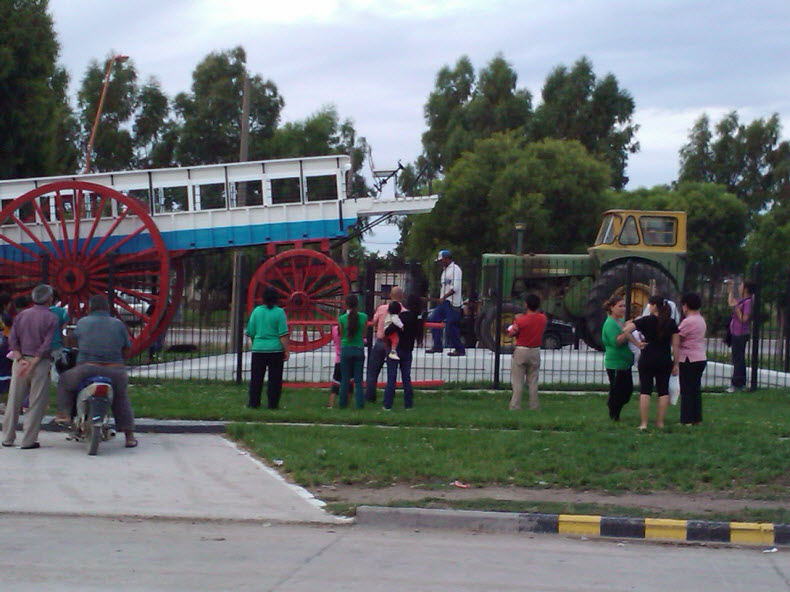
La Pichona, that historic cargo flatbed, comes back to life in Luis Facio's workshop
"The old cargo flatbed 'La Pichona'... is being reconstructed for its exhibition in a public space... It is a highly skilled artisanal work... funded by Alberto "Cholino" Pozzo Ardizzi, grandson of that pioneer."
Luis Esteban Facio, 83 years old, states: "Being able to repair or reconstruct La Pichona had been my concern for at least 6 years... It's hard, intense work, but it gives me enormous satisfaction."
📂 Open Complete Photographic Record (27 images)
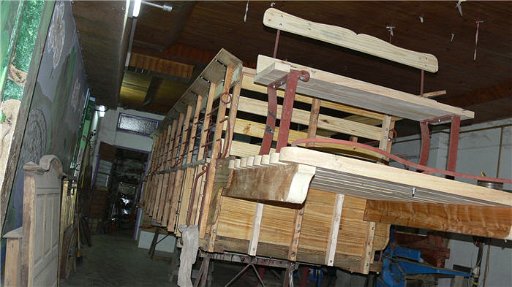
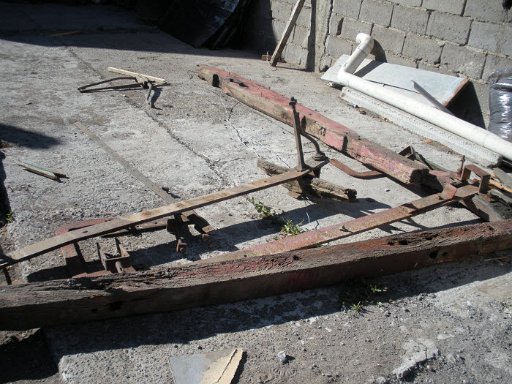
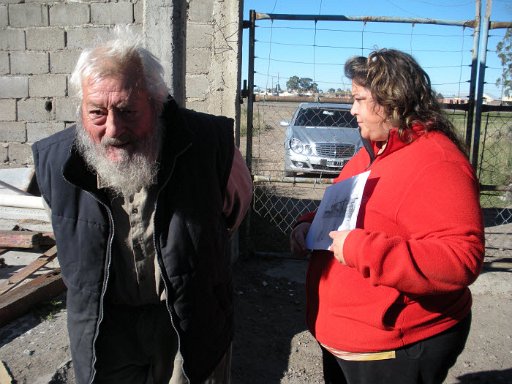
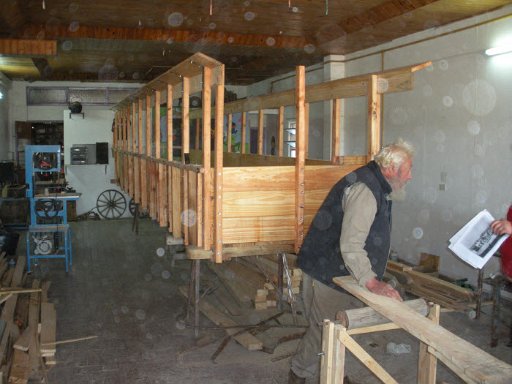
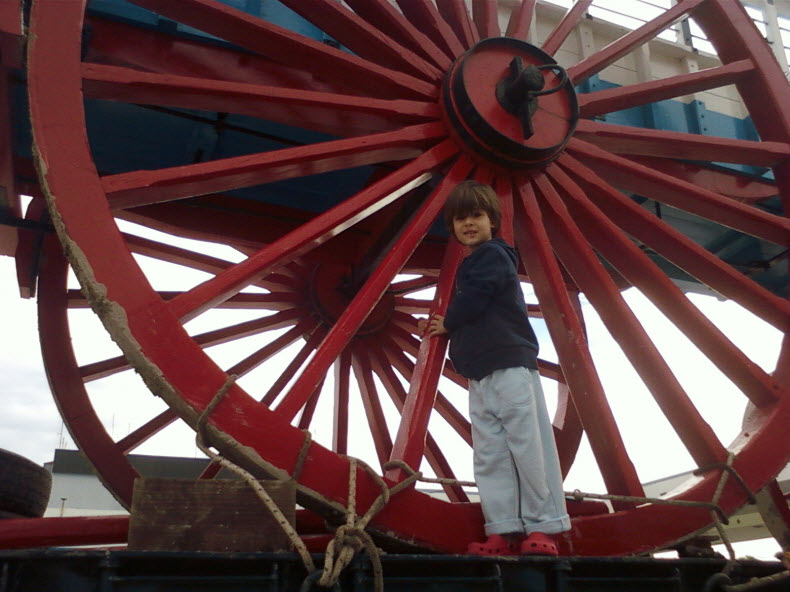
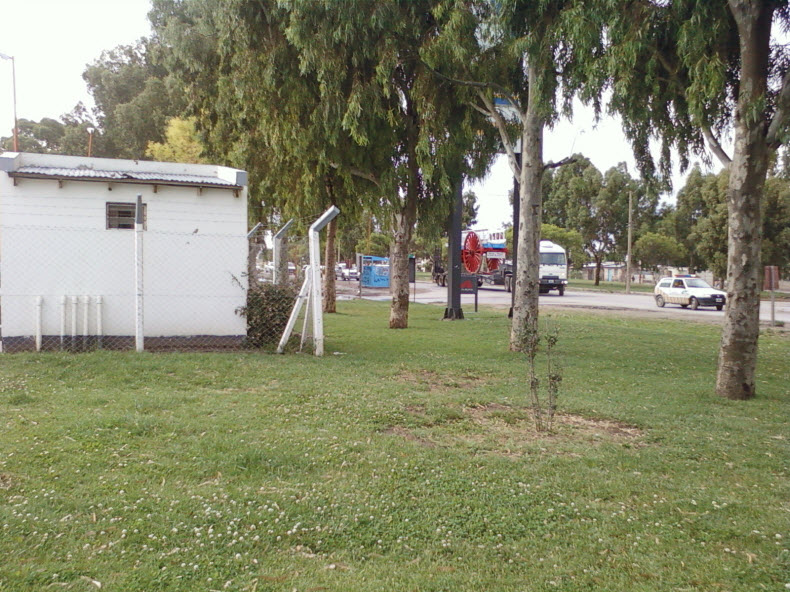
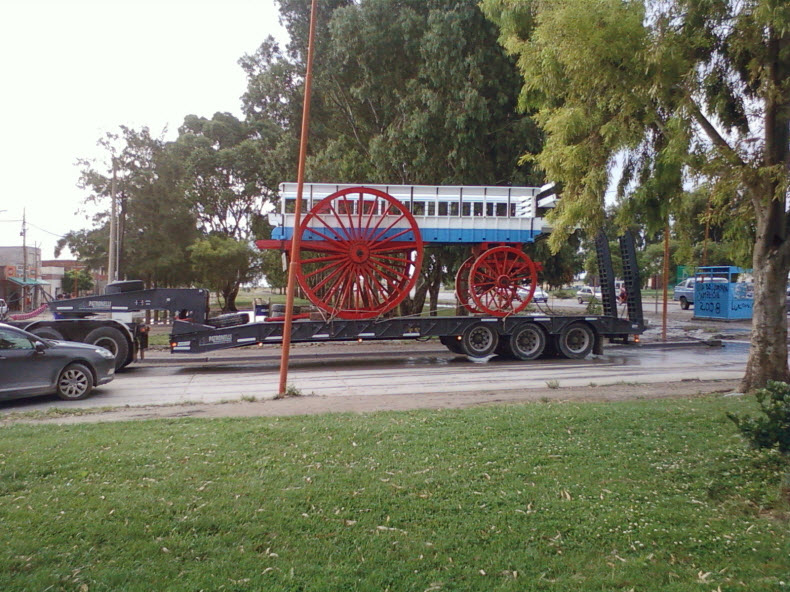
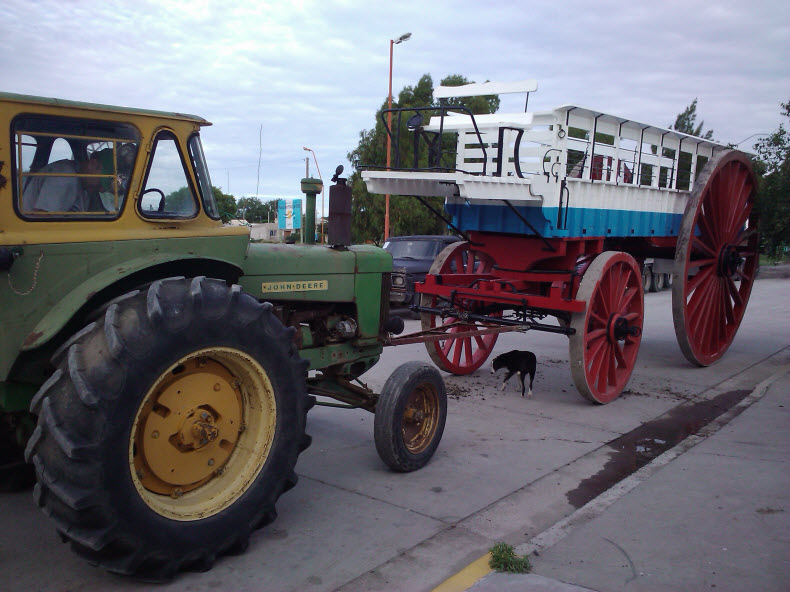
E. Enhancement and Exhibition
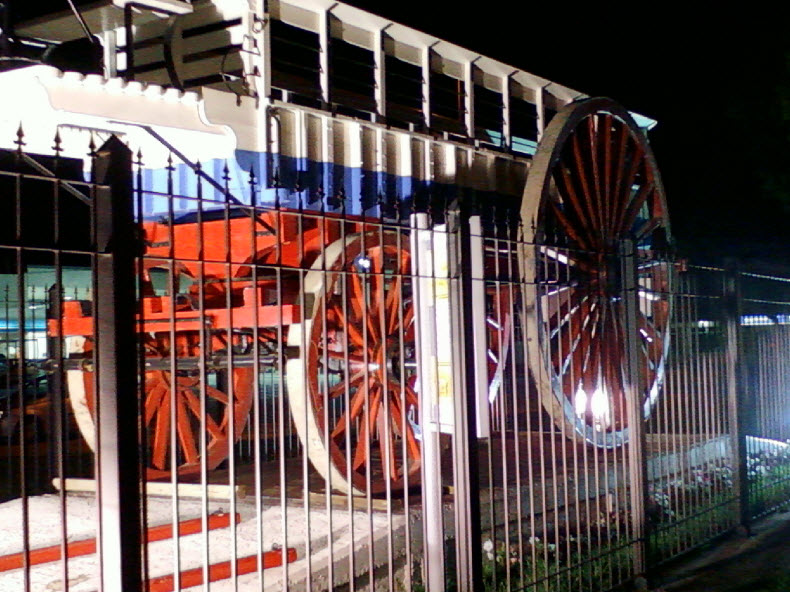
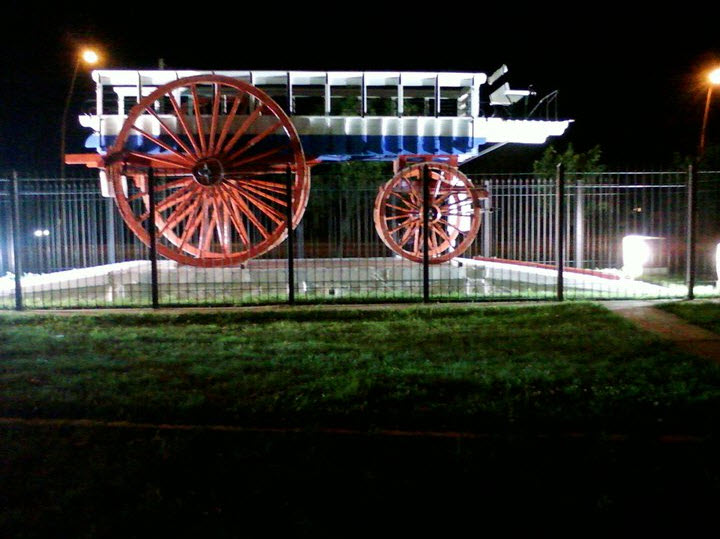
Today, "La Pichona" is a living monument to the history of transport. In February 2011, the press celebrated its complete restoration, highlighting that it shares historical merits with two other monumental Argentine flatbeds: "La Luz del Desierto" and "La Bienvenida".
Geography of the Legacy in Argentina
Key places on the immigration and settlement route.
LA PICHONA (Poem)
By Miguel Ángel Lazarte
"La Pichona" is sad
she has been cast into oblivion.
Among twisted irons
among rubble and weeds,
she who was the pride
of César and María
has lost her worth
they have even taken away her honor.
Her heart still beats
for she has not died yet.
The railway present
one day said enough
and she went to "the homesteads"
on the last pull.
The future of the truck
erased her history on the tracks.
She exchanged the dirt paths
for rest and stillness
and her destiny as a wagon
was never again a virtue.
"La Cañada" cradled her
in its maternal lap
and sixteen solid-colored horses were
her seasoned honor guard.
So much praise she received
throughout her sleep,
from the birds, from the wind,
from the trees, from the Sun.
That one who always envied
twenty-two eternal rays!.
"La Pichona" is very sad
and wants to return to the town
To be play for the children
A memory for the adults.
A banner for everyone
full of path and Homeland.
"La Pichona" condemned
in a miserable corner
wants those who never listen to anything
to hear her voice.
... why did they bring me
if they have left me forgotten.
I was happy in "La Cañada"
I was happy on the road
and I was happy in the place
where everyone admired me.
If today I am good for nothing
among garbage and waste,
take me to the hilltop
or dress me in a shroud...