Restoration and Conservation
The scientific recovery of the foundational document of the family tree.
The original family tree, a handwritten piece of great emotional and historical value, was in a delicate state of conservation. To ensure its preservation for future generations, professional restoration and stabilization work was commissioned.
1. The Support and the Restoration Process
To understand the fragility and value of the document, it is necessary to understand the history of its support and the meticulous technical process applied to save it.
📜 History of the Paper and Visual Record of the Process
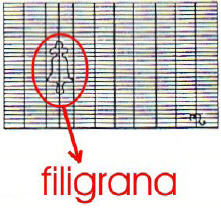
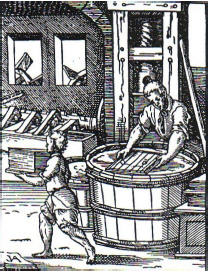
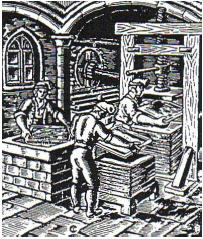
About Rag Paper: Until the mid-19th century, paper was handmade using cotton or linen rags. This raw material produced a support of excellent quality. However, the document presented pathologies typical of the passage of time and inadequate storage: acidity, tears and stains.
Visual Record of the Intervention
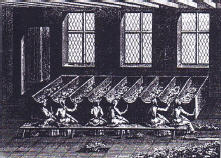
The document had surface dirt, deformations and was adhered to an acidic cardboard.
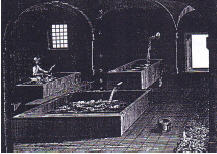
Removal of dust and surface dirt using powdered erasers and soft brushes.
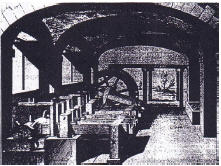
Controlled humidification to separate the document from the secondary support (cardboard) without damaging the inks.
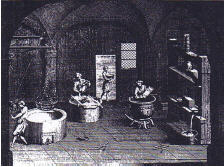
Immersion to remove soluble acidity and yellowish degradation products.
Drying under controlled pressure to restore planarity (remove wrinkles) to the paper.
Reinforcement of tears and weak areas using Japanese paper and neutral adhesives.
Paper graft in the missing areas (gaps) to restore visual unity.
The document stabilized, clean and ready for long-term conservation.
2. Technical Restoration Report
Work carried out by conservation specialist M. Silvio Goren (Buenos Aires).
📋 Initial Diagnosis
- Object: 1 handwritten document (Family Tree).
- Support: Cotton paper.
- Measurements: 53 cm x 43 cm.
- Condition: Severe fold marks, old repairs with gummed tape (damaging), total adhesion to acidic cardboard.
- Pathologies: Tears, surface dirt, mold stains, highly acidic pH.
- Inks: Iron gall (unstable and corrosive to paper).
Treatment Performed:
The intervention respected the precepts of modern museological conservation: reversibility and minimal intervention.
- Mechanical cleaning (scalpel and powdered erasers) to remove dirt.
- Dismantling of the secondary support (acidic cardboard) through controlled humidification.
- Immersion washing to remove soluble acidity and degradation products.
- Consolidation of tears and reintegration of missing parts with Japanese paper and pH-neutral adhesives.
- Creation of an acid-free conservation box.
Preservation for the Future
The document was returned to its owner in December 2007, stabilized and protected in optimal conditions to ensure its permanence over time.